· 4 min
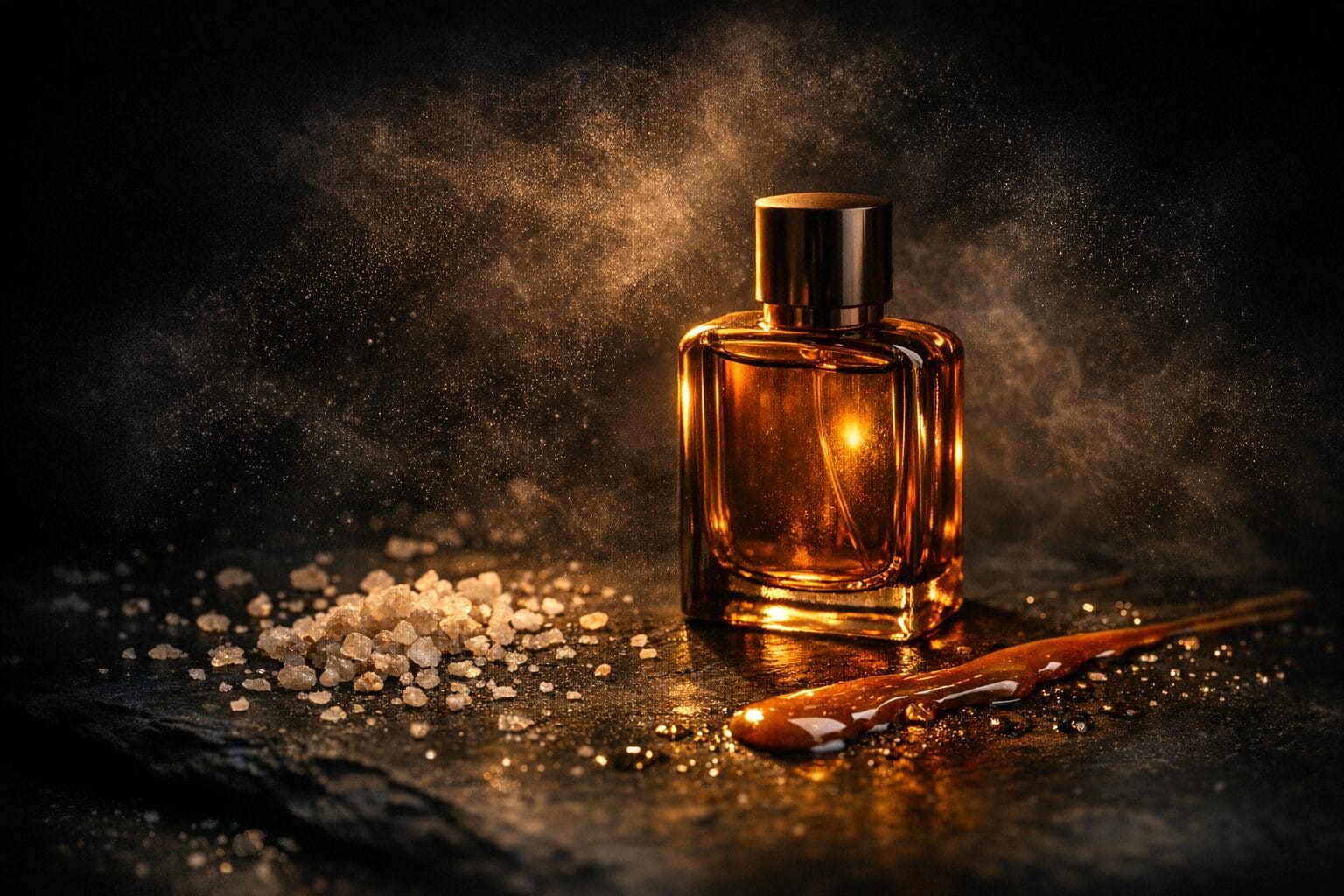
A Pinch of Salt: How Salinity Taught the Gourmand Restraint
The sweetest movement in modern perfumery has grown up — and its secret is a single crystal of salt.
11 July 2026

The Editorial Desk
Essays, guides and material studies — the stories behind the bottles we choose.
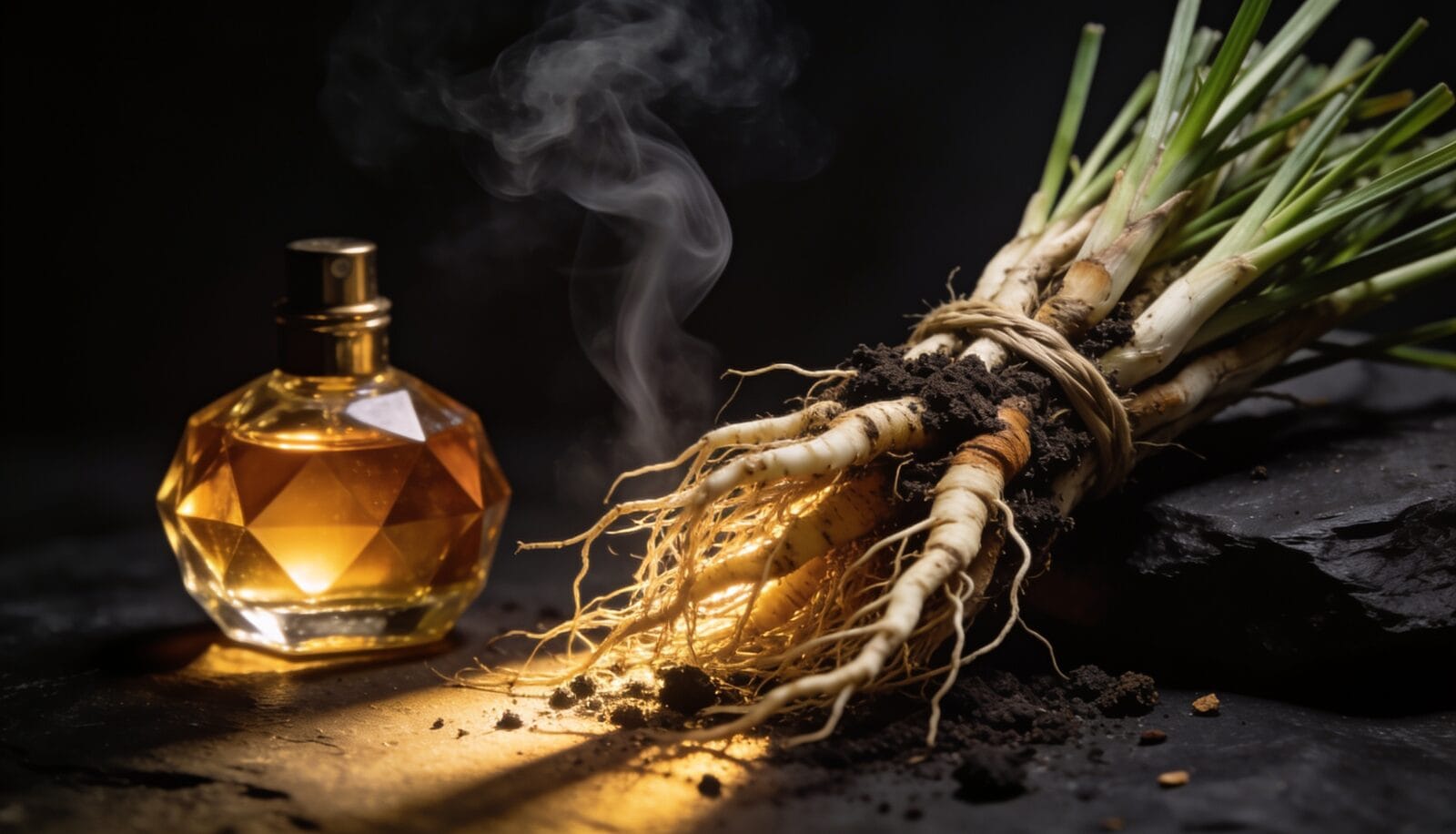
Almost every note in perfumery reaches upward — toward flowers, fruit, sunlight. Vetiver reaches down, into the dark, and 2026 has finally learned to follow it there.
Read the essay The sweetest movement in modern perfumery has grown up — and its secret is a single crystal of salt.
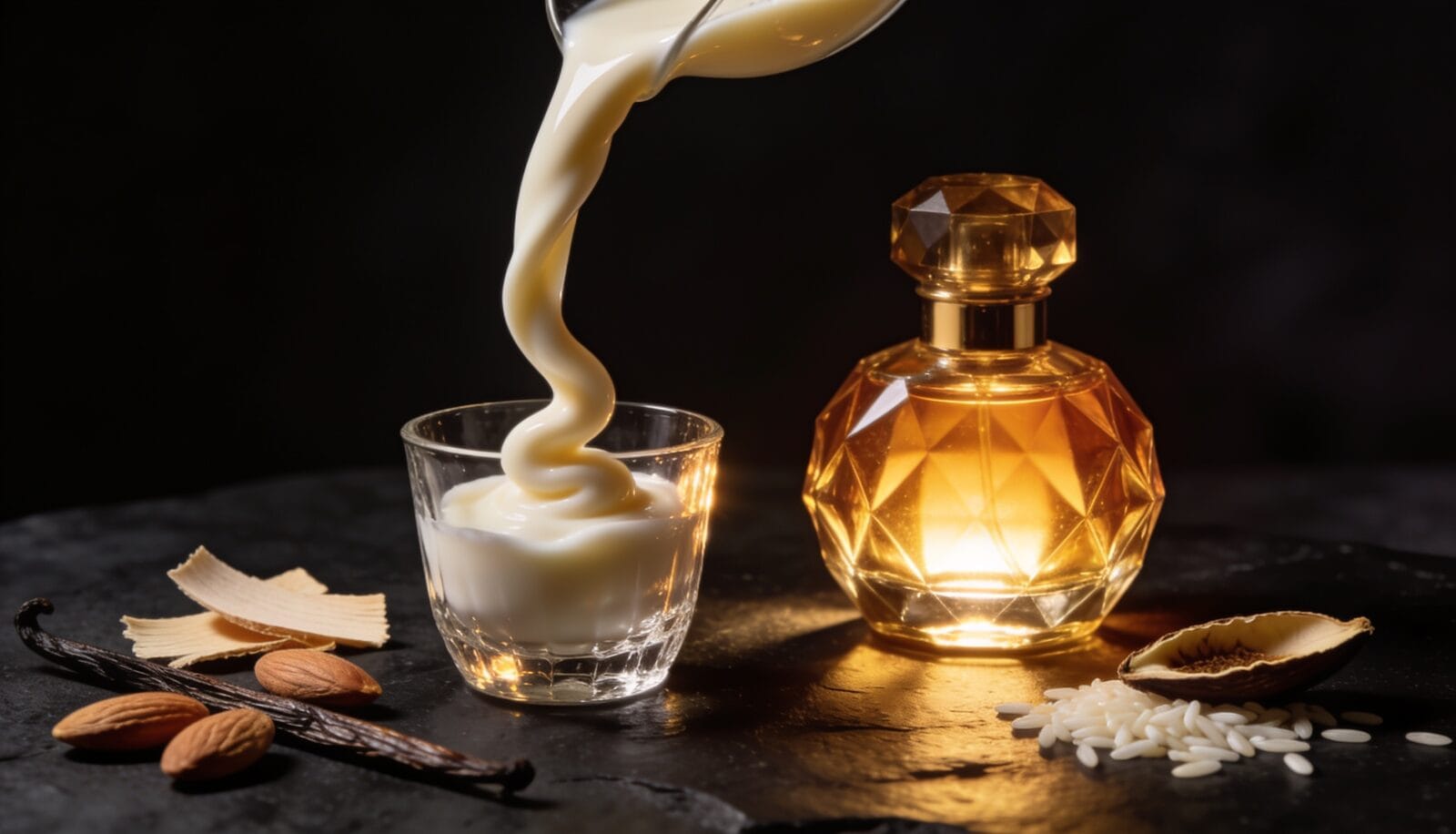
The most talked-about idea in fine fragrance this year does not roar or sparkle — it pours, slow and warm, like a glass of milk, and it has quietly become the softest luxury of them all.
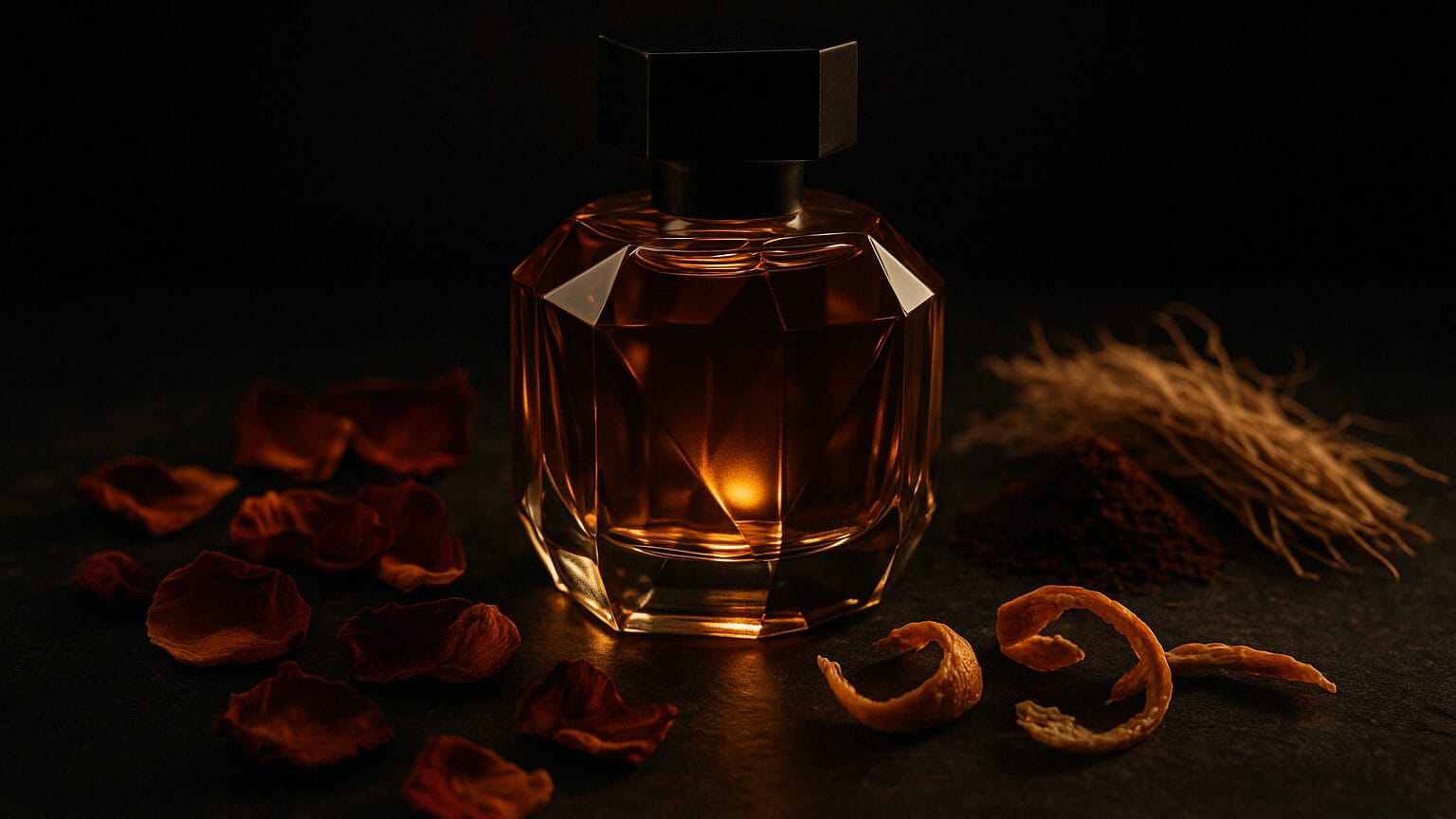
The most quietly radical idea in luxury scent right now is not a new molecule — it is a change of heart about waste, as the great houses learn to draw beauty from the peels, petals, and grounds they used to discard.
For two centuries fine fragrance had a fixed map — Grasse, Paris, the oud houses of the Gulf. In 2026 that map is quietly redrawing itself, and the new coordinates point east.
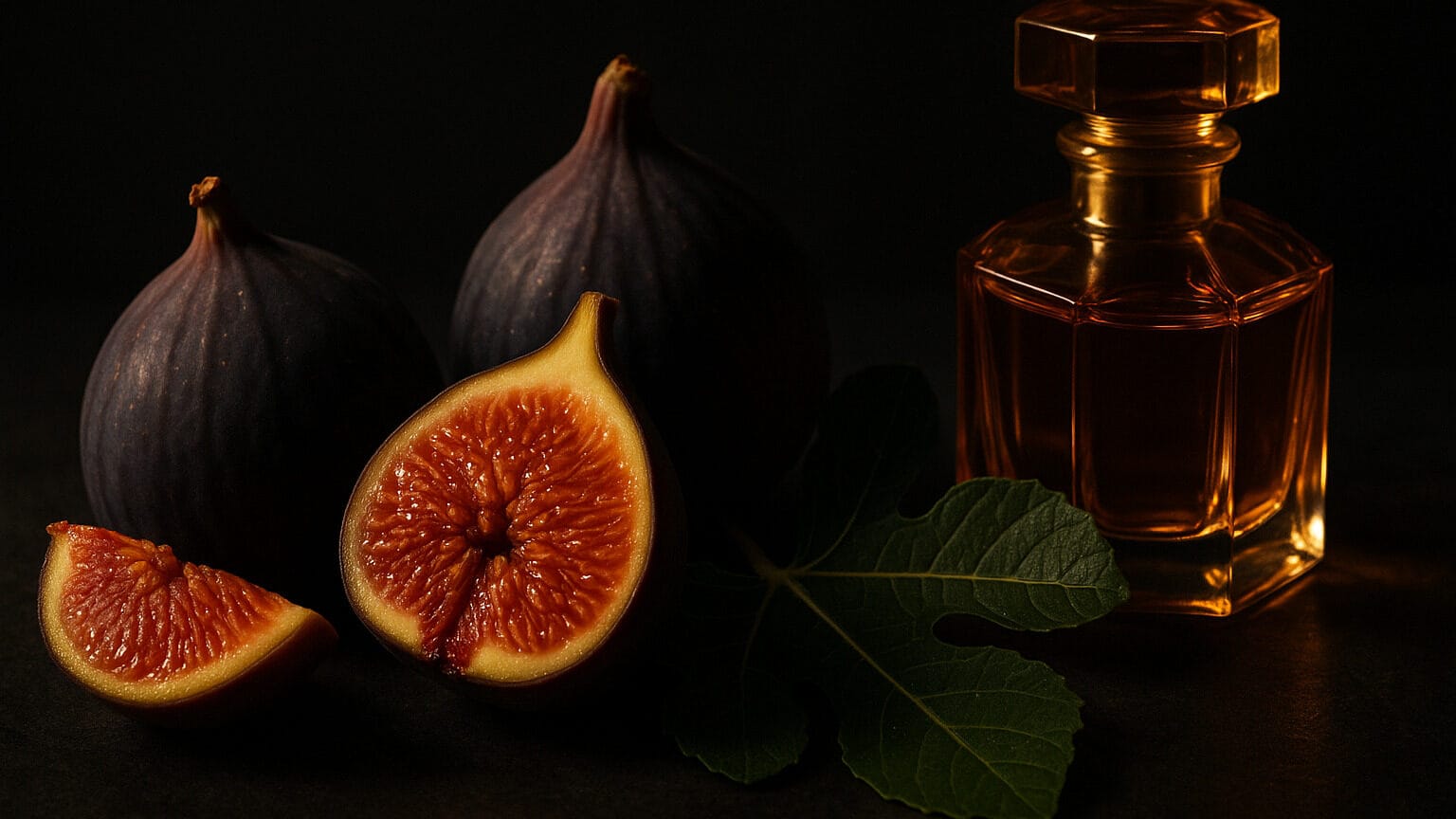
The fig is not a note but an entire tree — fruit, leaf, and milky sap all at once — and this summer it has become the scent of slow, sun-warmed luxury.
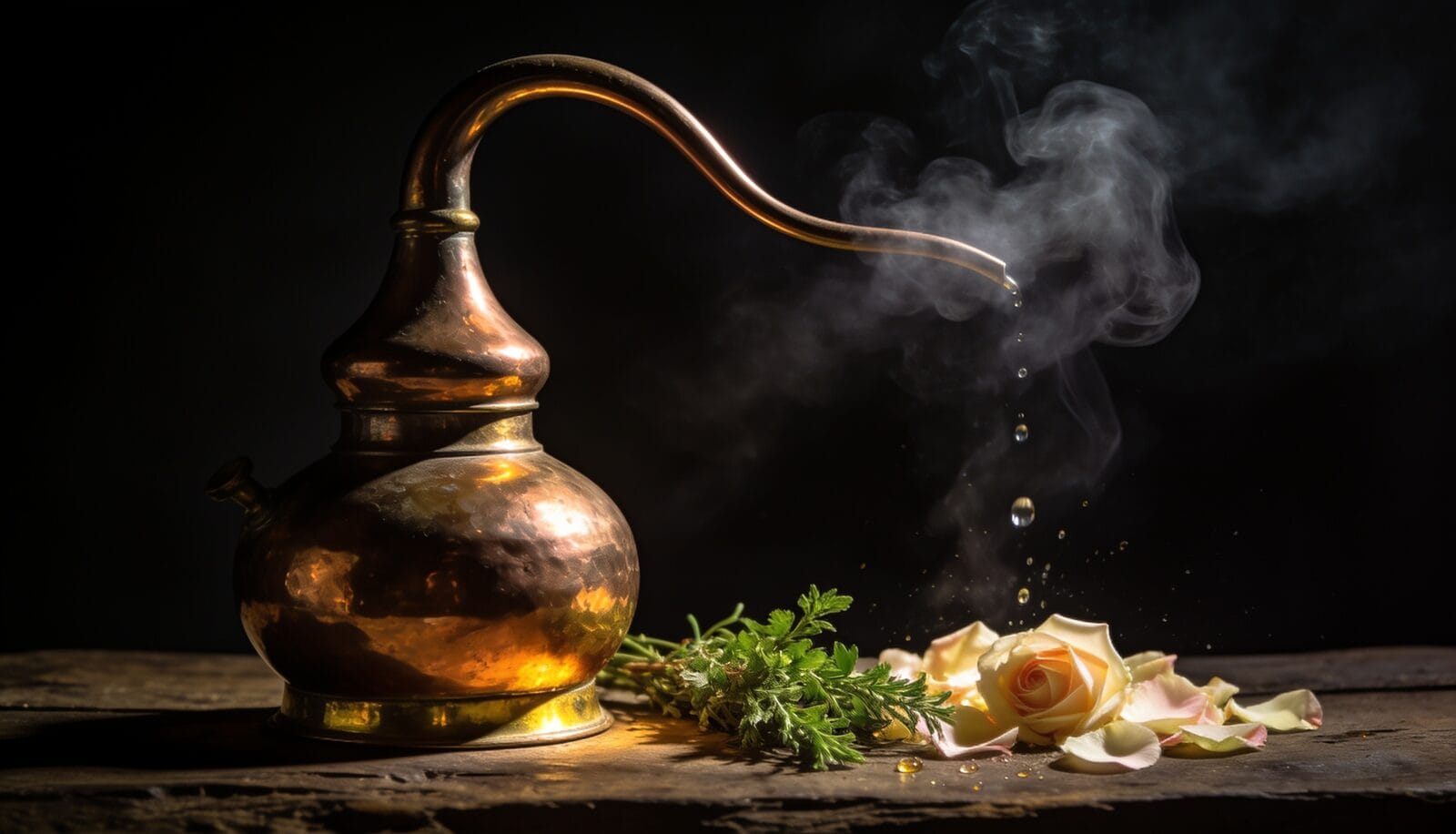
A new-old technique is quietly rewriting the language of naturals — two ingredients distilled together, so their souls mingle at the source rather than being blended after the fact.
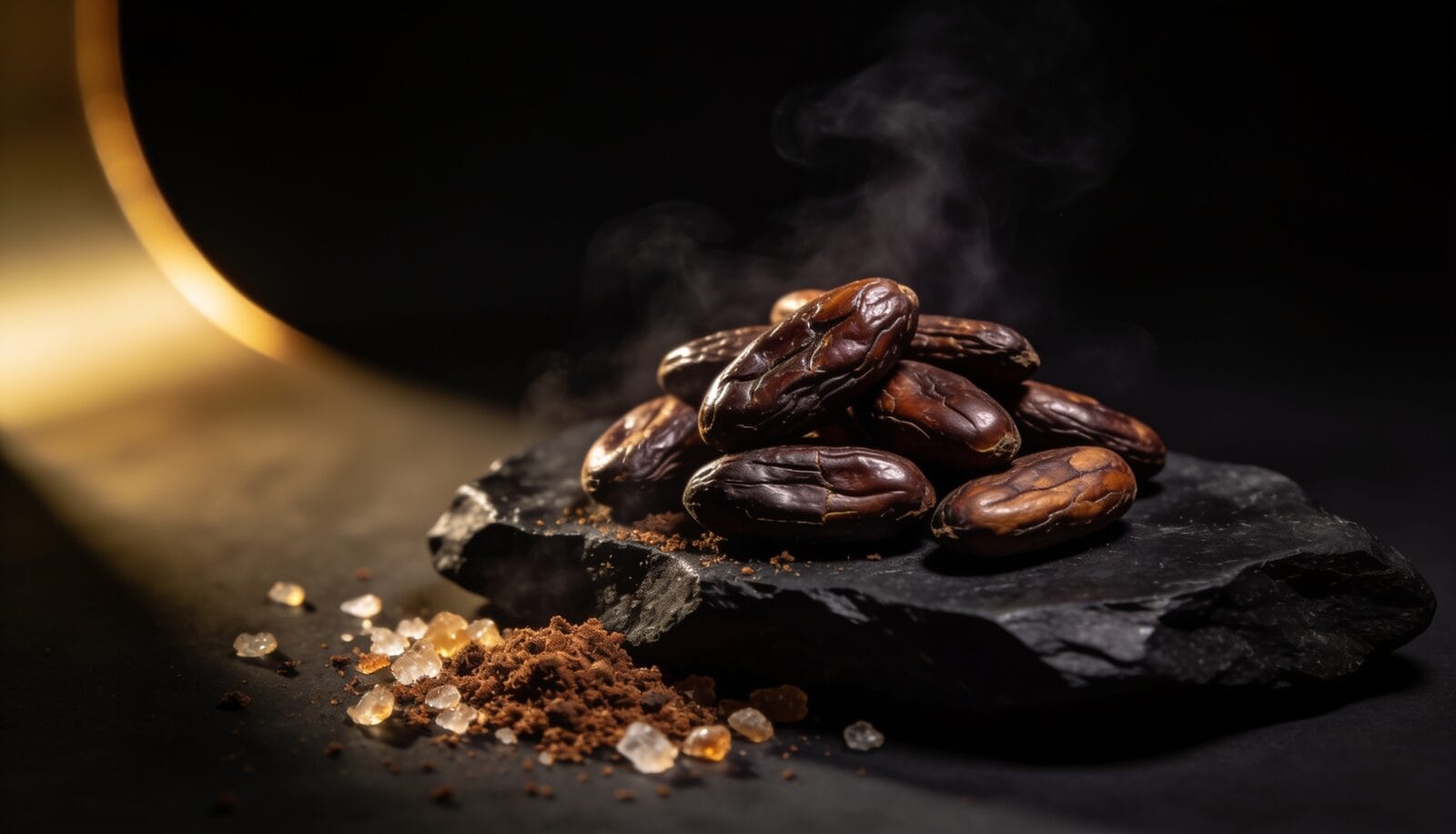
A wrinkled black seed from the South American forest gave perfumery its first synthetic breath — and Amouage’s new Tonka Misfah proves its warmth still glows.
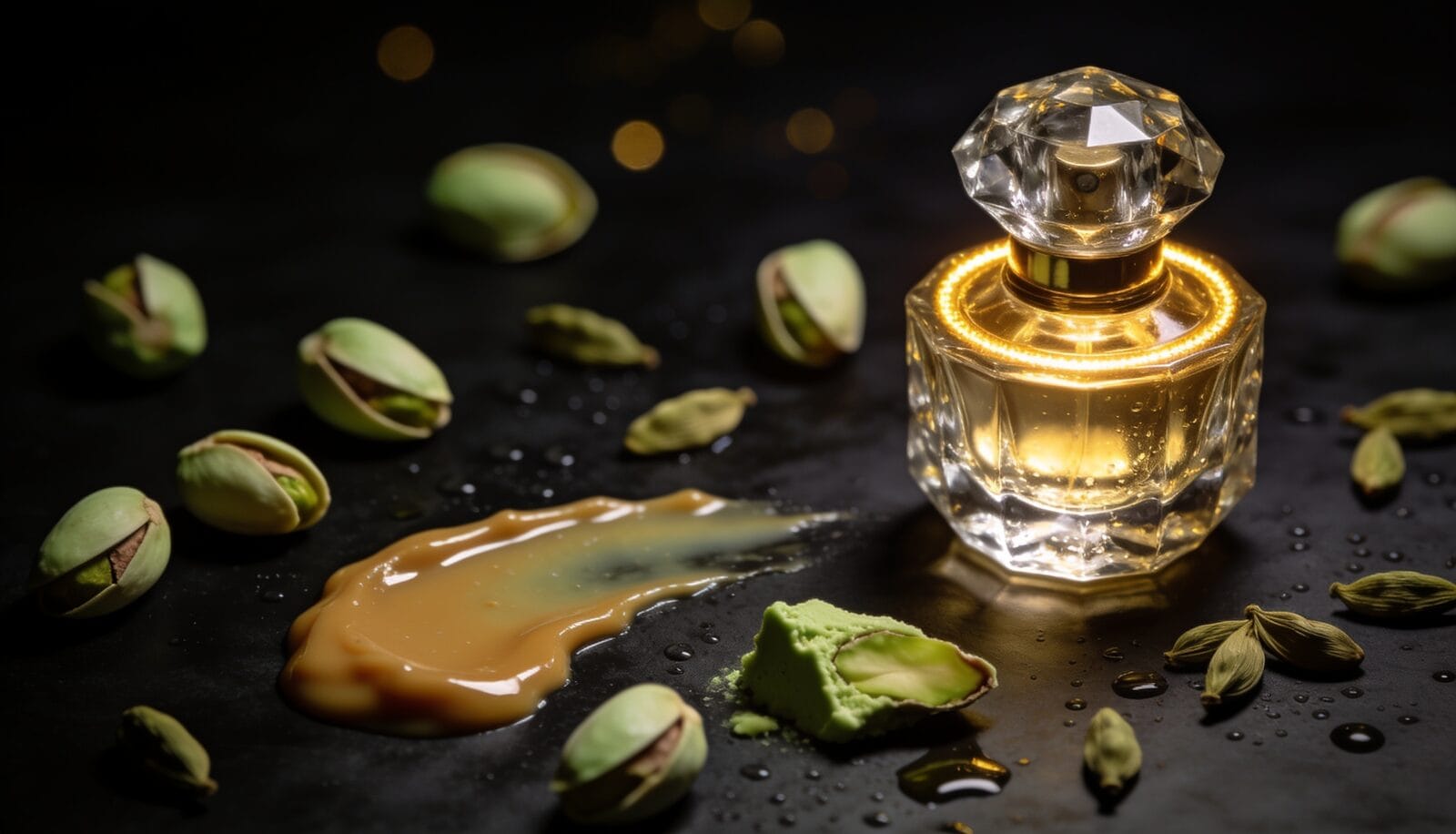
Pistachio has quietly become the most desired note of the year — a creamy, salted, faintly green whisper that turns dessert into something you would rather wear than eat.
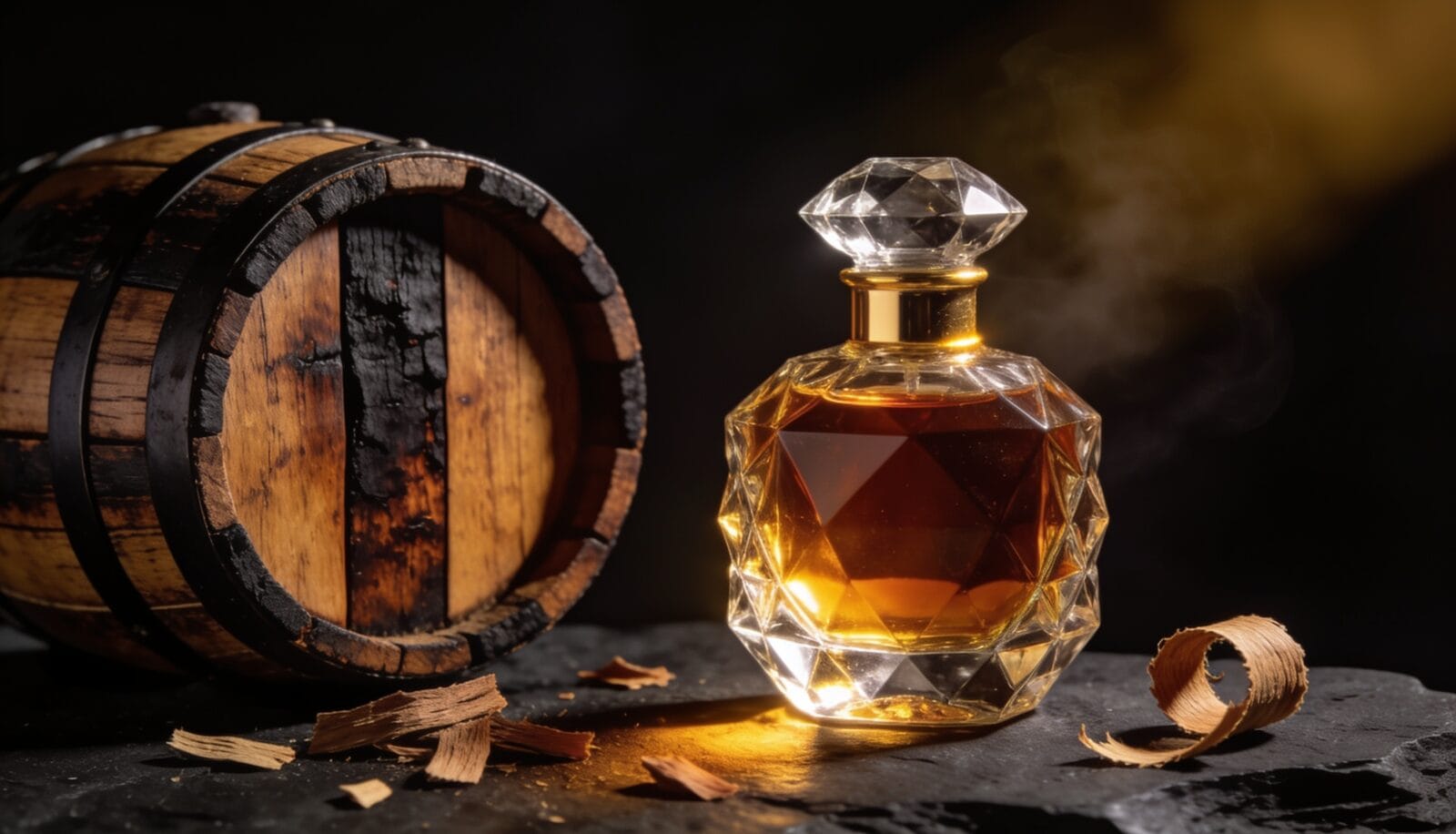
The most talked-about niche launches of 2026 are not chasing speed — they are borrowing the patience of the distillery, letting fragrance sleep in charred oak until time itself becomes a note.
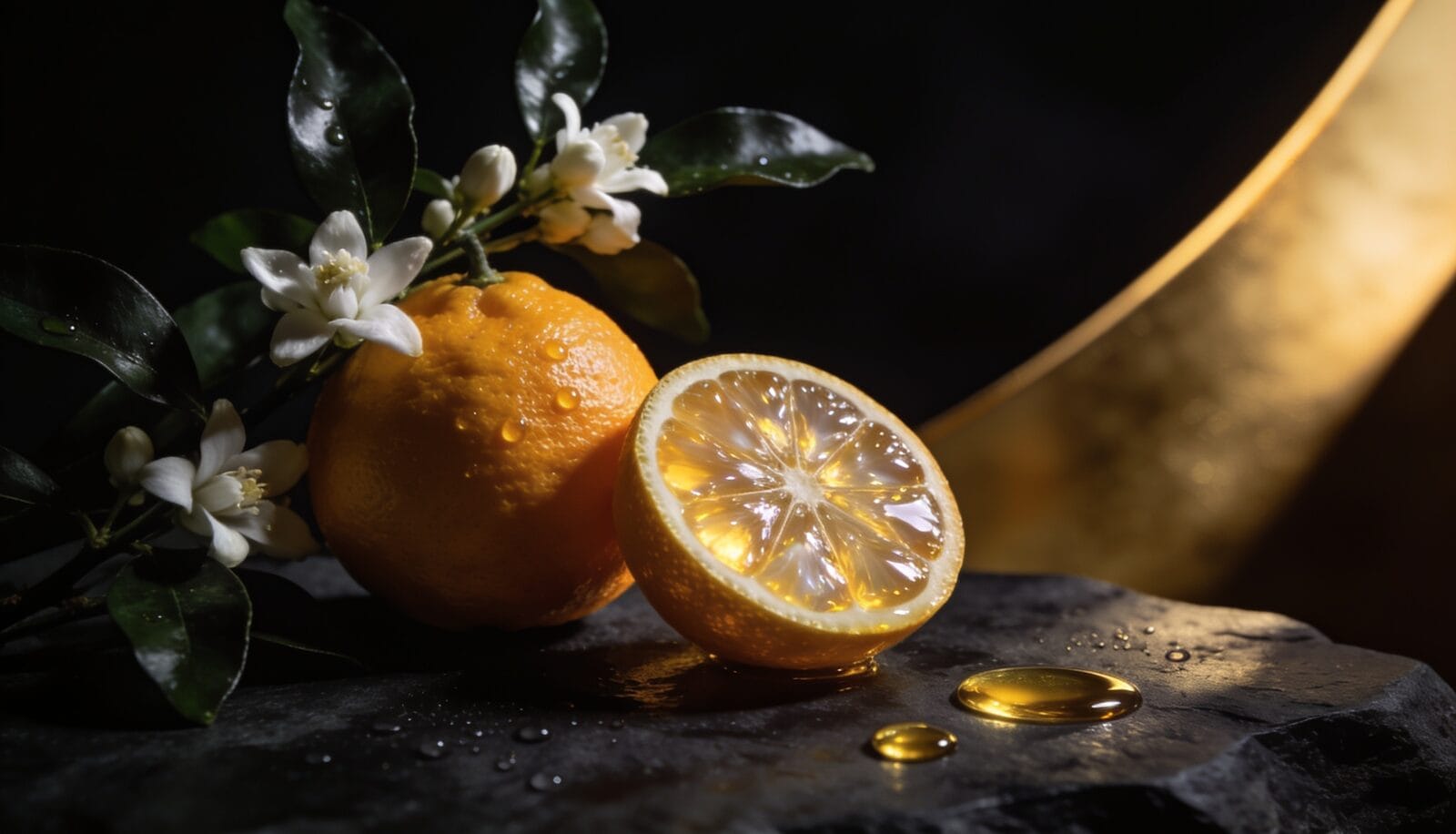
A single Seville tree hands perfumery three of its most treasured materials — and in 2026, from Tom Ford onward, the whole house of citrus is coming home to it.
Xerjoff’s Shooting Stars collection does what no flower or resin can — it drops a piece of the cosmos onto your vanity, and seals it with the scent of the sky.
From the resin-and-smoke launches of Esxence to a wider hunger for the sacred and the still, frankincense is having its moment — and it smells like calm itself.
The creamiest wood in perfumery was harvested almost to extinction—then quietly became the signature of an entire era.
How perfumers conjure the smell of warm skin and high summer from salicylates, creamy white flowers, and a half-remembered breath of suncream — and why, this solstice, the whole genre suddenly feels new.
In a Boston laboratory, perfumers are smelling flowers that vanished from the earth more than a century ago — and the future of fragrance has never smelled more alive.
At Esxence 2026, perfumers fell for lavender all over again — not the soapy ghost of men's cologne, but a material capable of melancholy, warmth, and quiet daring.
The most expensive spice on earth has quietly become the defining note of 2026 — a thread of fire and leather the Gulf has prized for centuries, and the West has only just learned to read.
At Esxence 2026, the great houses turned away from sugar and smoke toward something far harder to bottle: the scent of clean air, falling water, and linen dried in the sun.
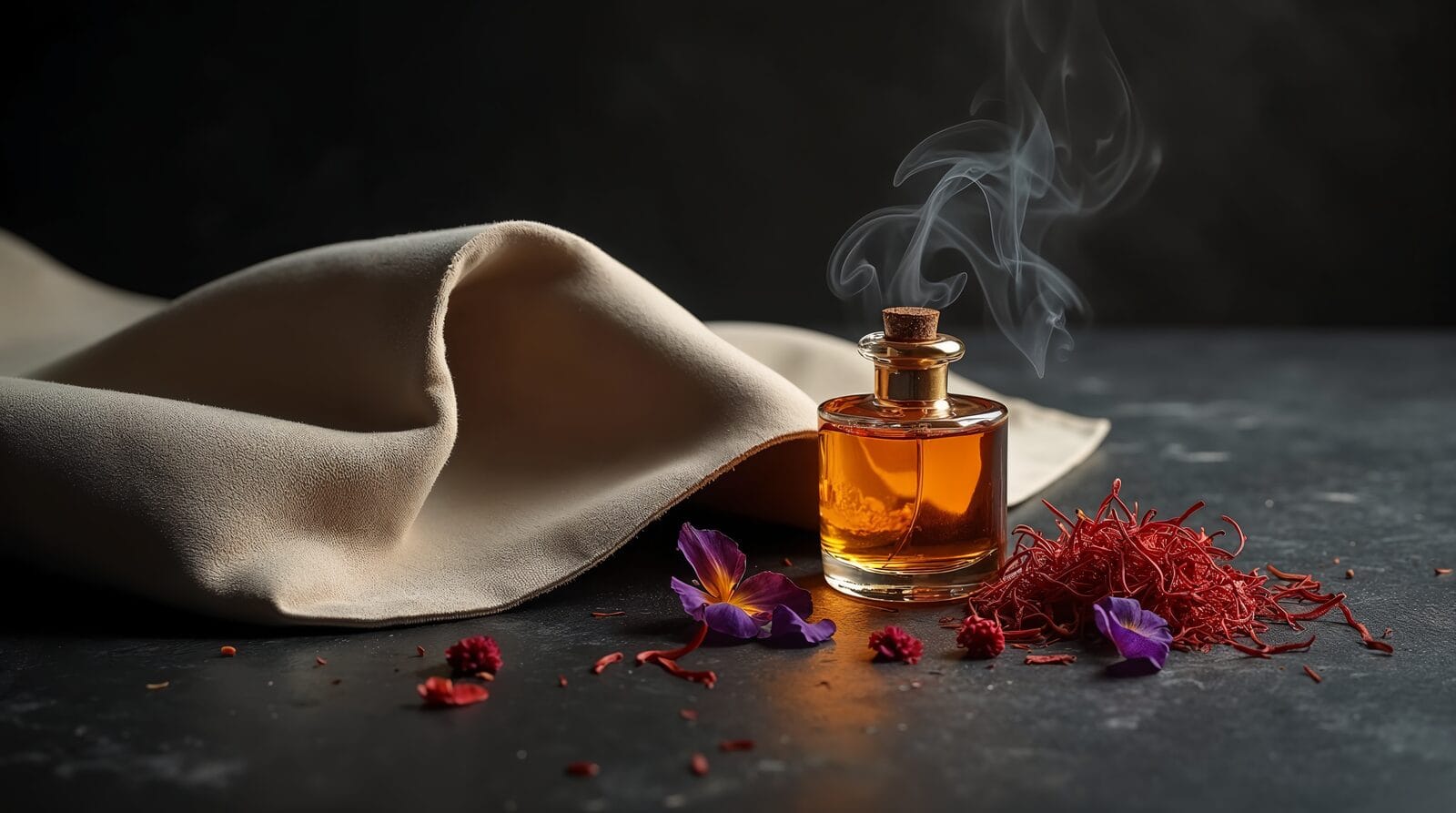
There is no suede in nature — no flower, no resin, no oil. It is an illusion conjured by perfumers, leather taught to lower its voice. In 2026, as niche perfumery turns from projection to touch, this softest of leathers has quietly become the scent of the moment.
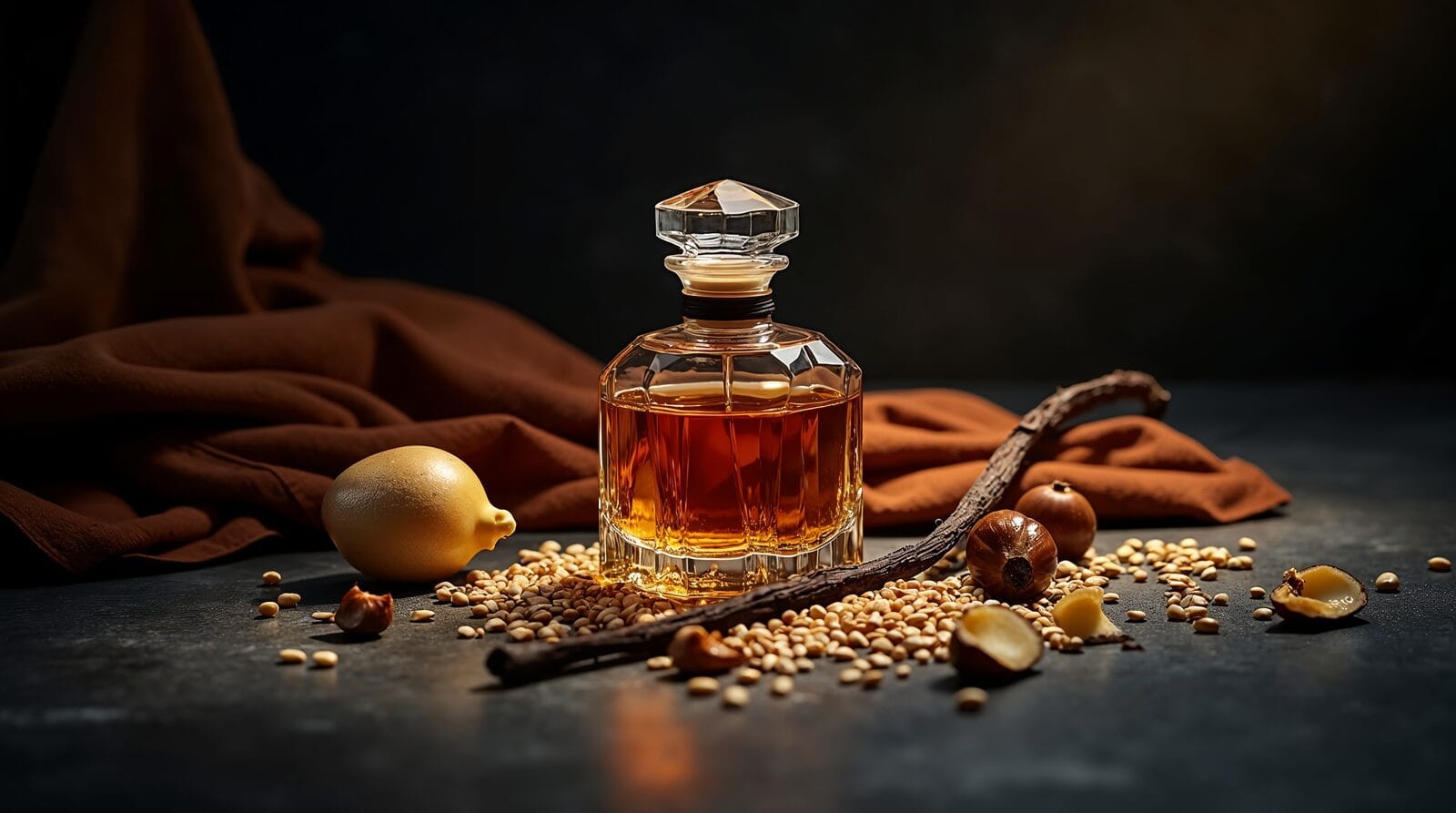
The defining current in fine fragrance right now isn't a note or a flower — it's a feeling. After years of flat, sugary sweetness, 2026's most talked-about scents ask to be touched: velvety, roasted, mineral, metallic. Welcome to perfumery's texture turn.
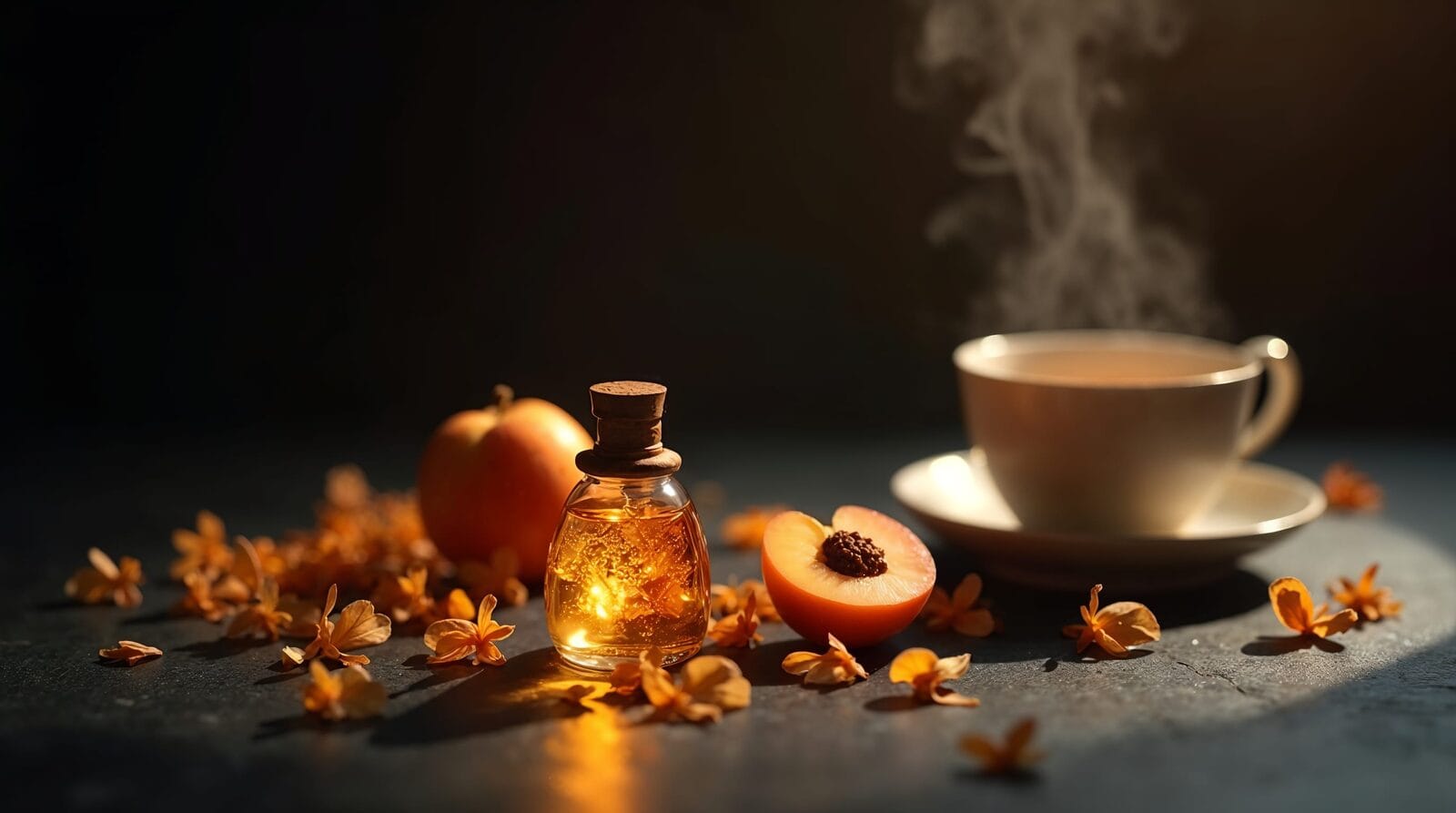
China lets it leave the country only in droplets, yet osmanthus may be the most quietly seductive flower in all of perfumery — apricot, leather and tea folded into a single golden breath. In 2026, the West is finally learning to listen.
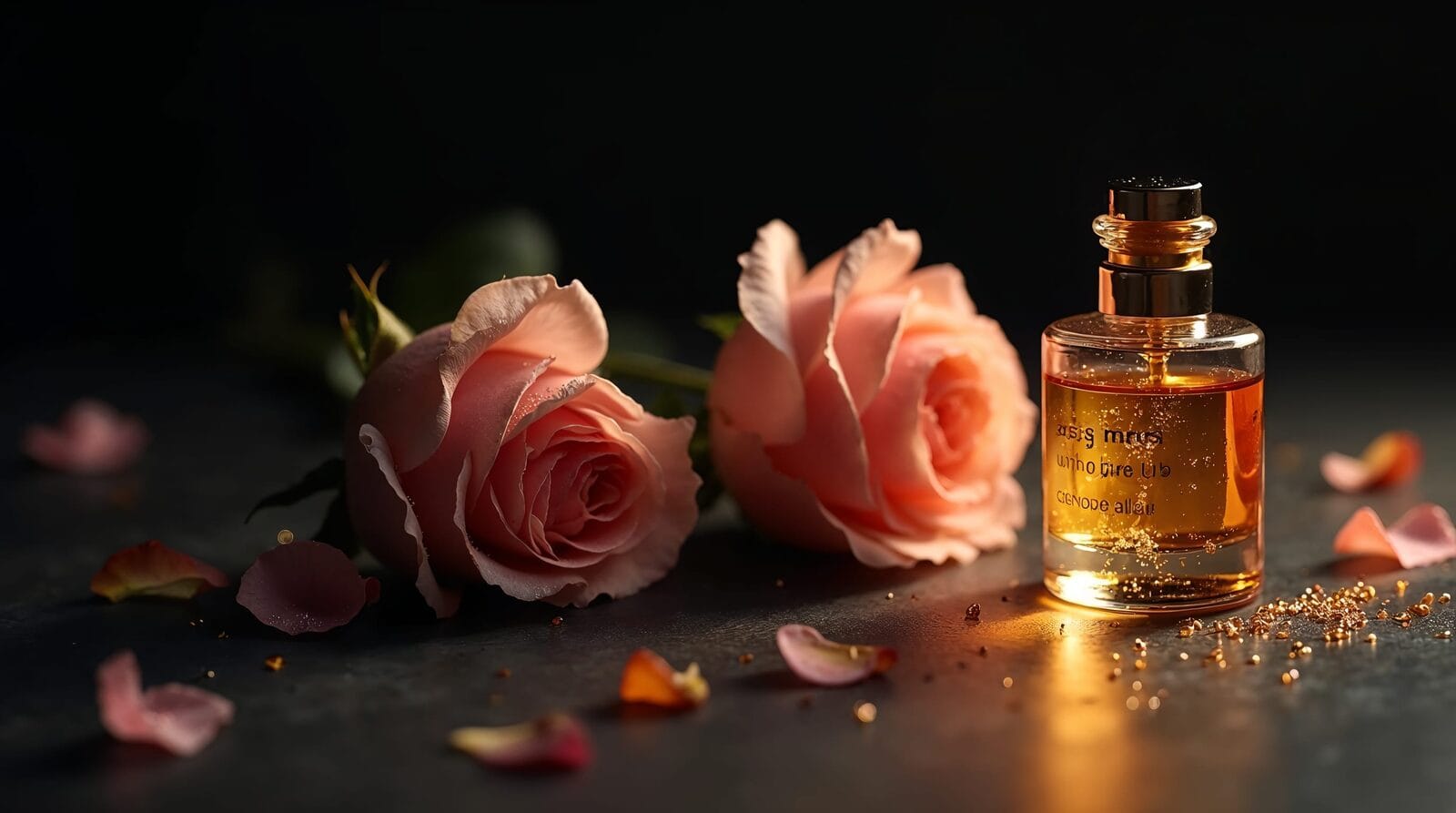
For one month each spring, the hills above Grasse turn pink — and the most patient luxury in perfumery is decided in the few hours after dawn.
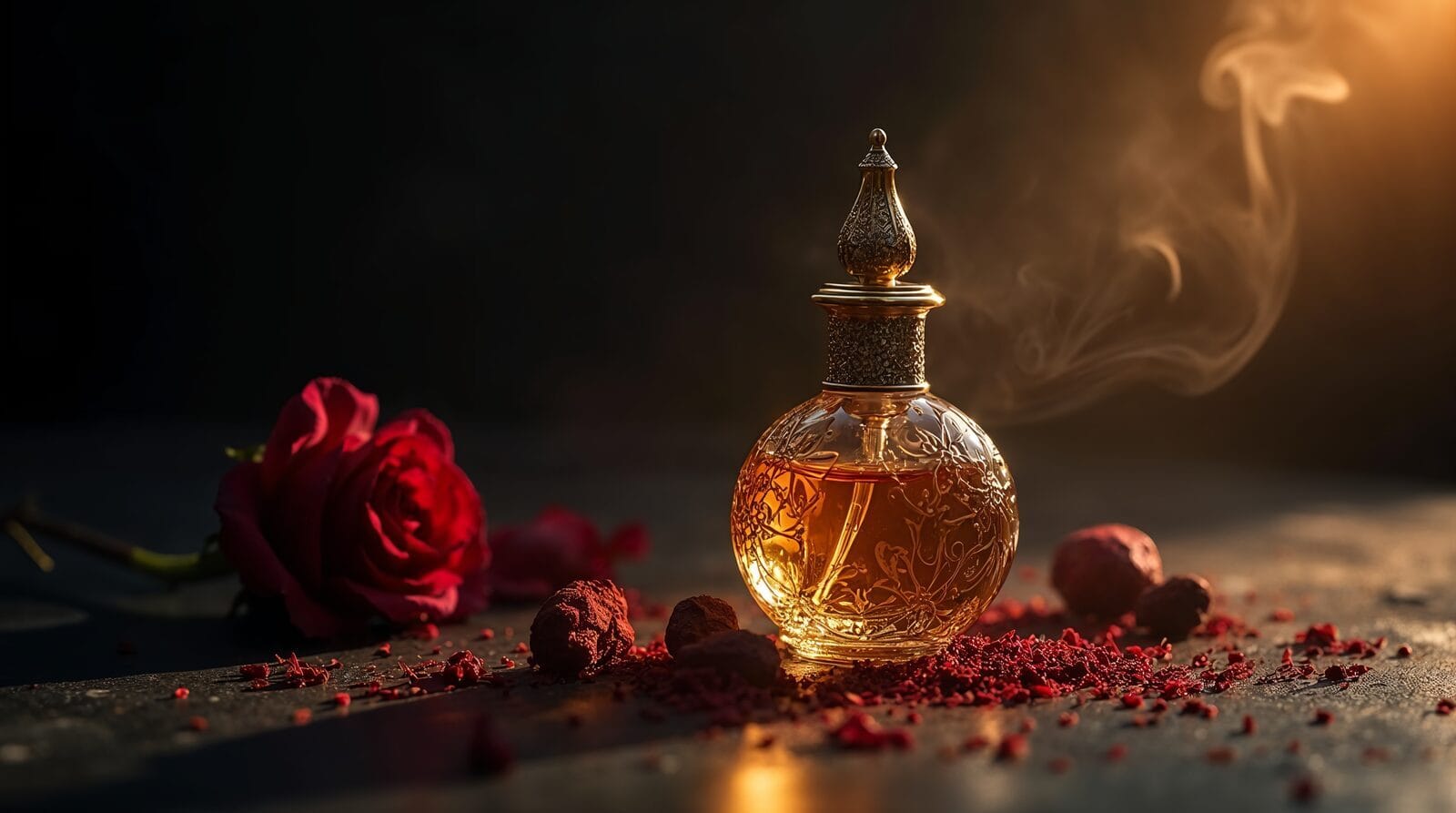
At Esxence 2026 the loudest statement in the room was made in the quietest possible voice — two new oil attars from Amouage that trade the cloud for the touch, and announce the return of perfume's oldest, most intimate form.
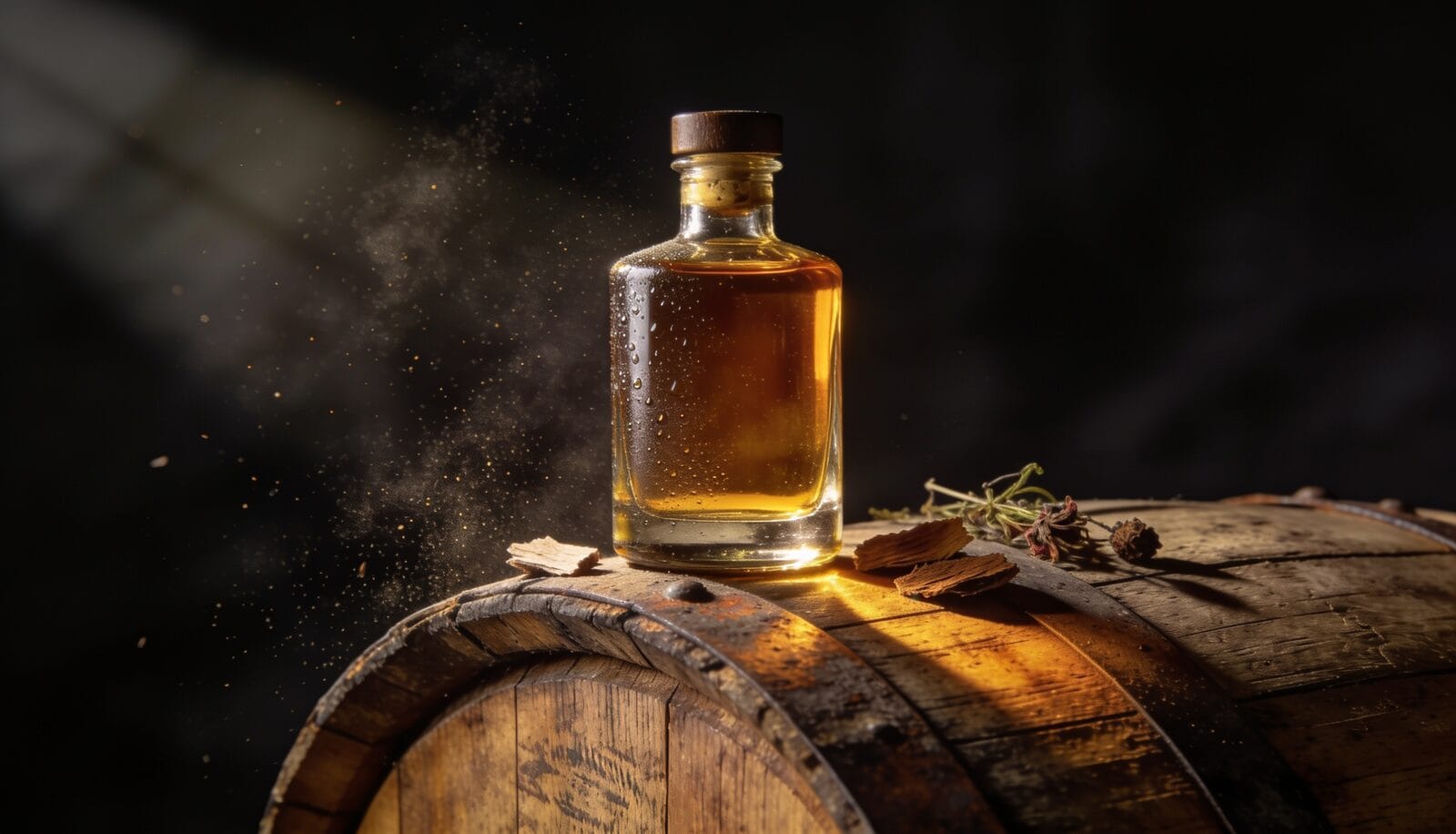
The most coveted luxury in perfumery right now isn't a rare flower or a precious wood — it's time itself, coaxed from oak barrels and patient maturation.
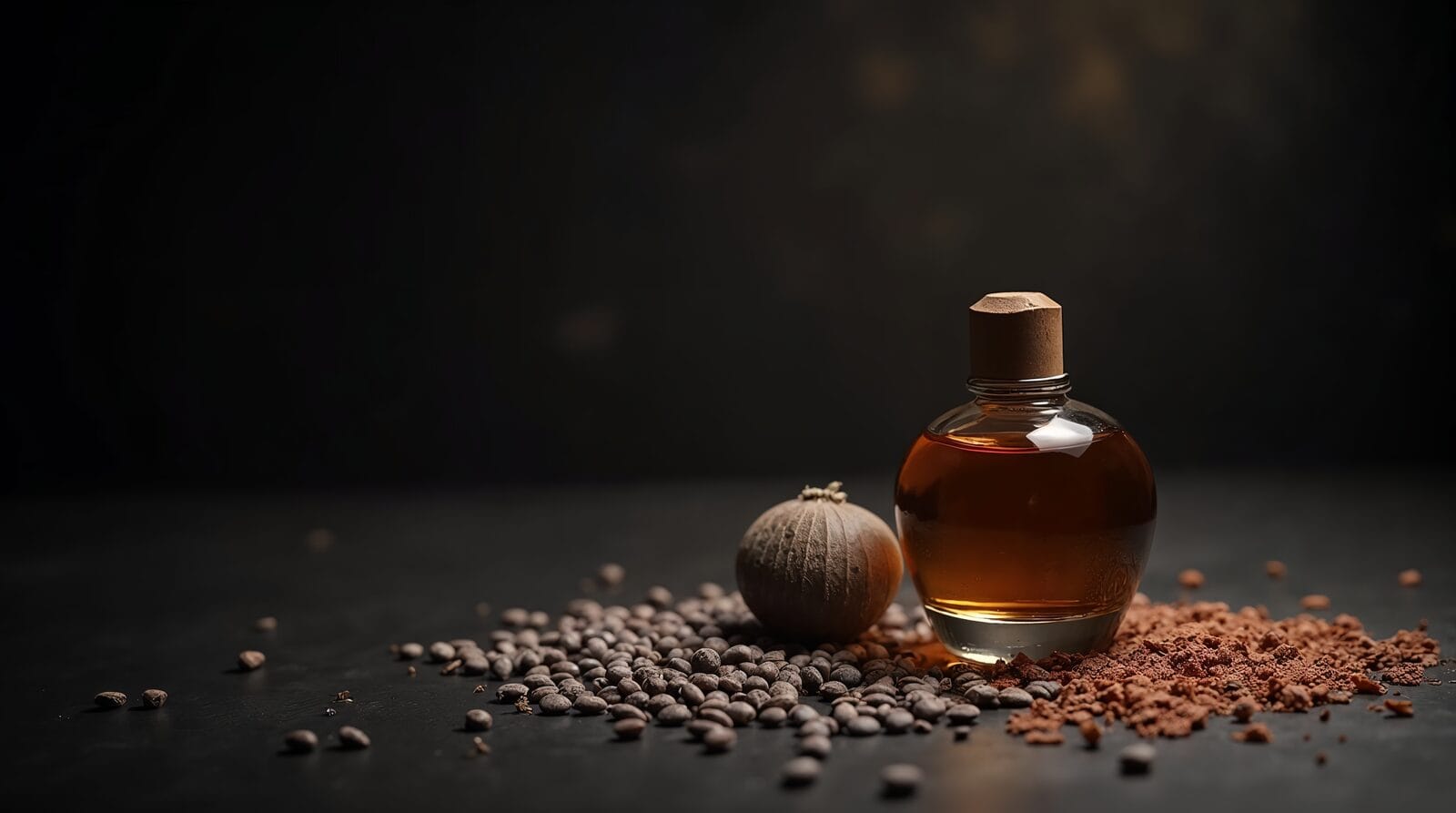
As 2026 crowns transparency and skin-scent musk over the old animalic roar, the most quietly luxurious musk in perfumery is also the rarest — and it was never an animal at all, but a seed.
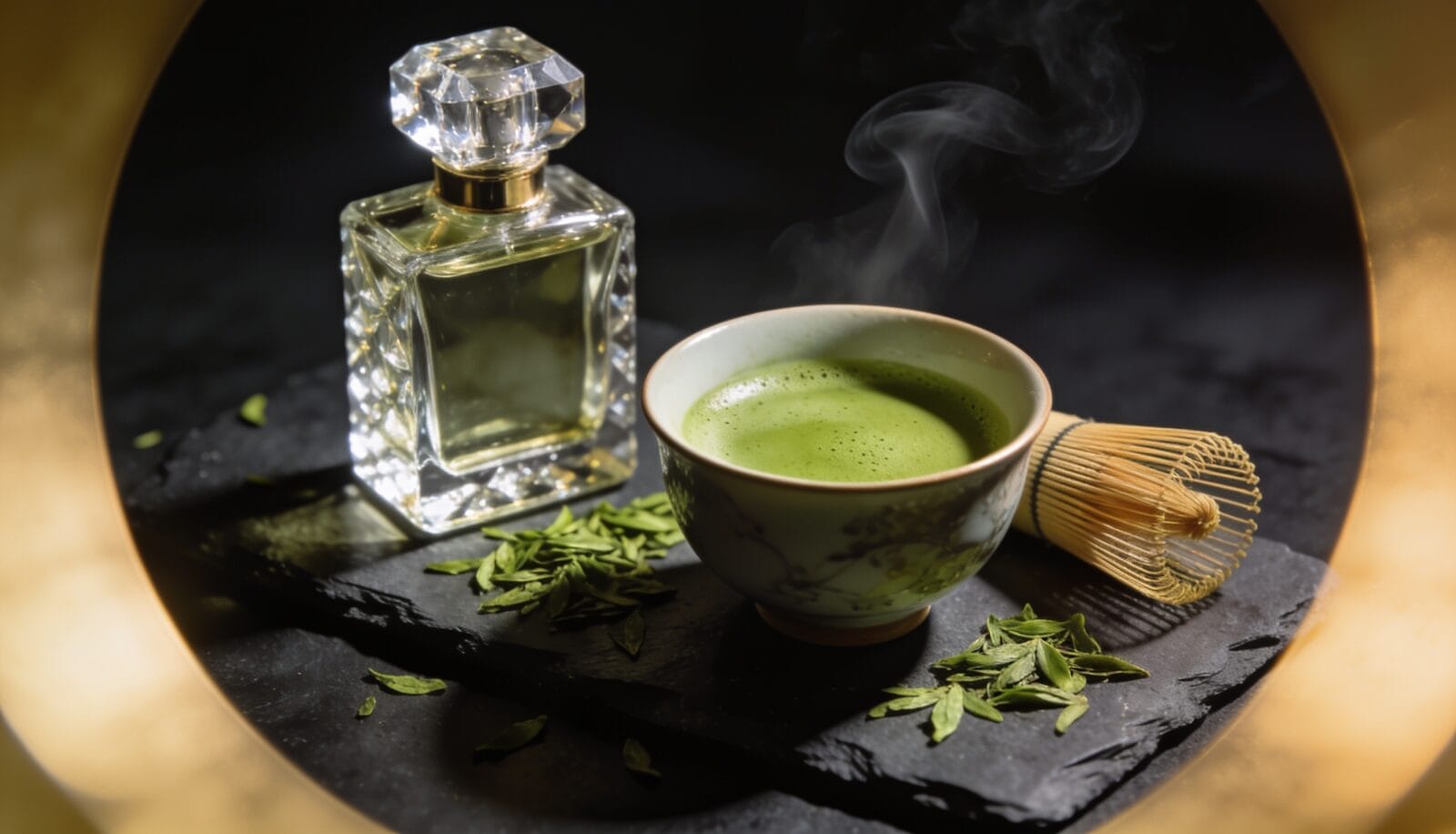
Searches for matcha perfume have leapt 82% this year, and the most coveted niche houses are answering with green tea, oolong and steam — proof that the loudest luxury of 2026 is the quietest scent in the room.
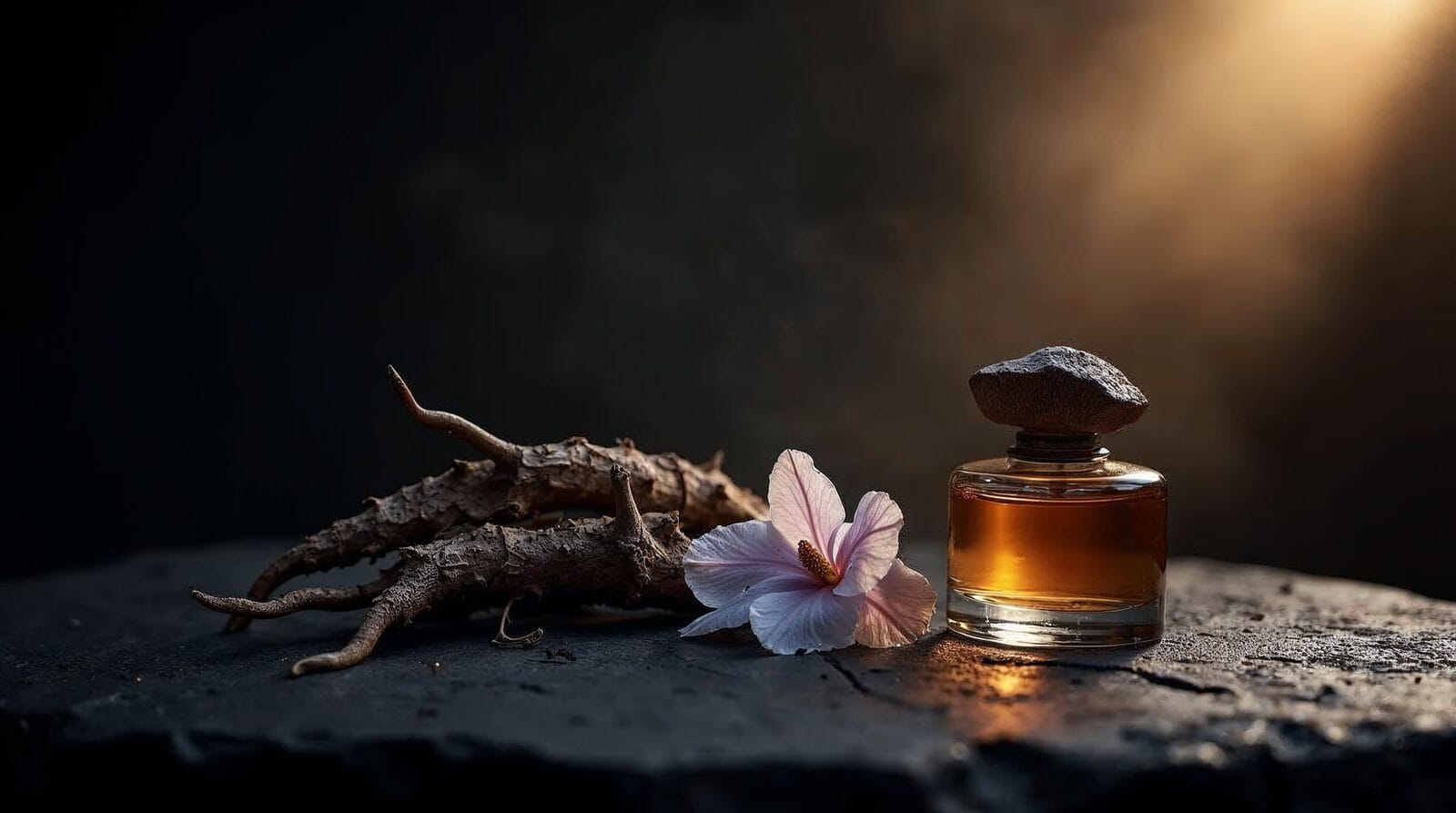
The most quietly luxurious note in perfumery isn’t the flower at all — it’s a root that must wait years in the dark before it learns to smell like powder, suede and cold silver.
At Esxence 2026 in Milan, the boldest perfumes were the quietest of all — a new wave of skin scents built on ambrette and musk that ask you to lean in.
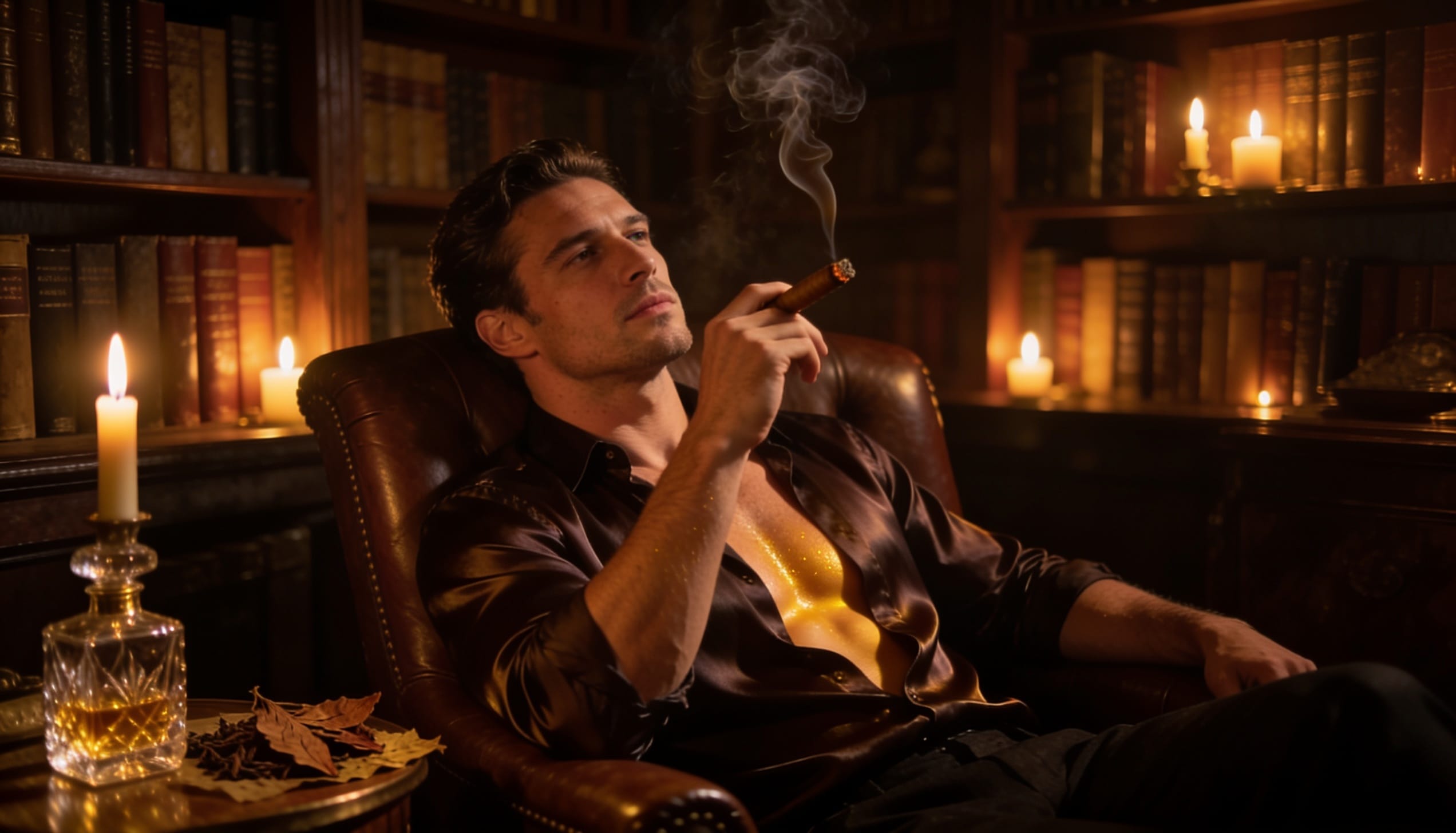
Tom Ford’s candlelit library against Xerjoff’s Sicilian noon: two great sweet tobaccos, one note, opposite philosophies — and a clear answer to which occasion belongs to each.
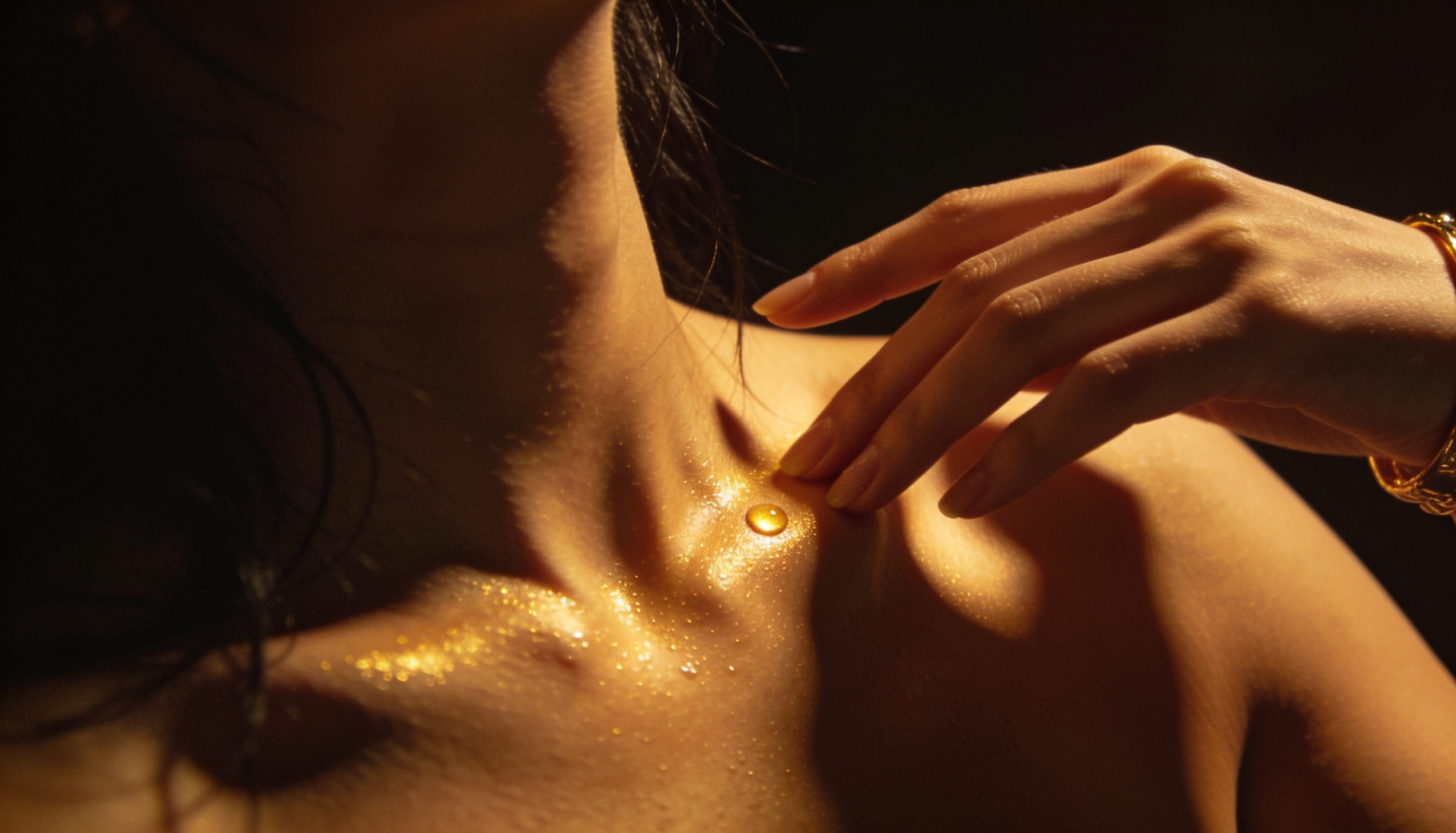
Moisture, placement, fabric, and the Egyptian sun: the physics of making perfume survive a long day — and the pulse-point dogma it is time to retire.
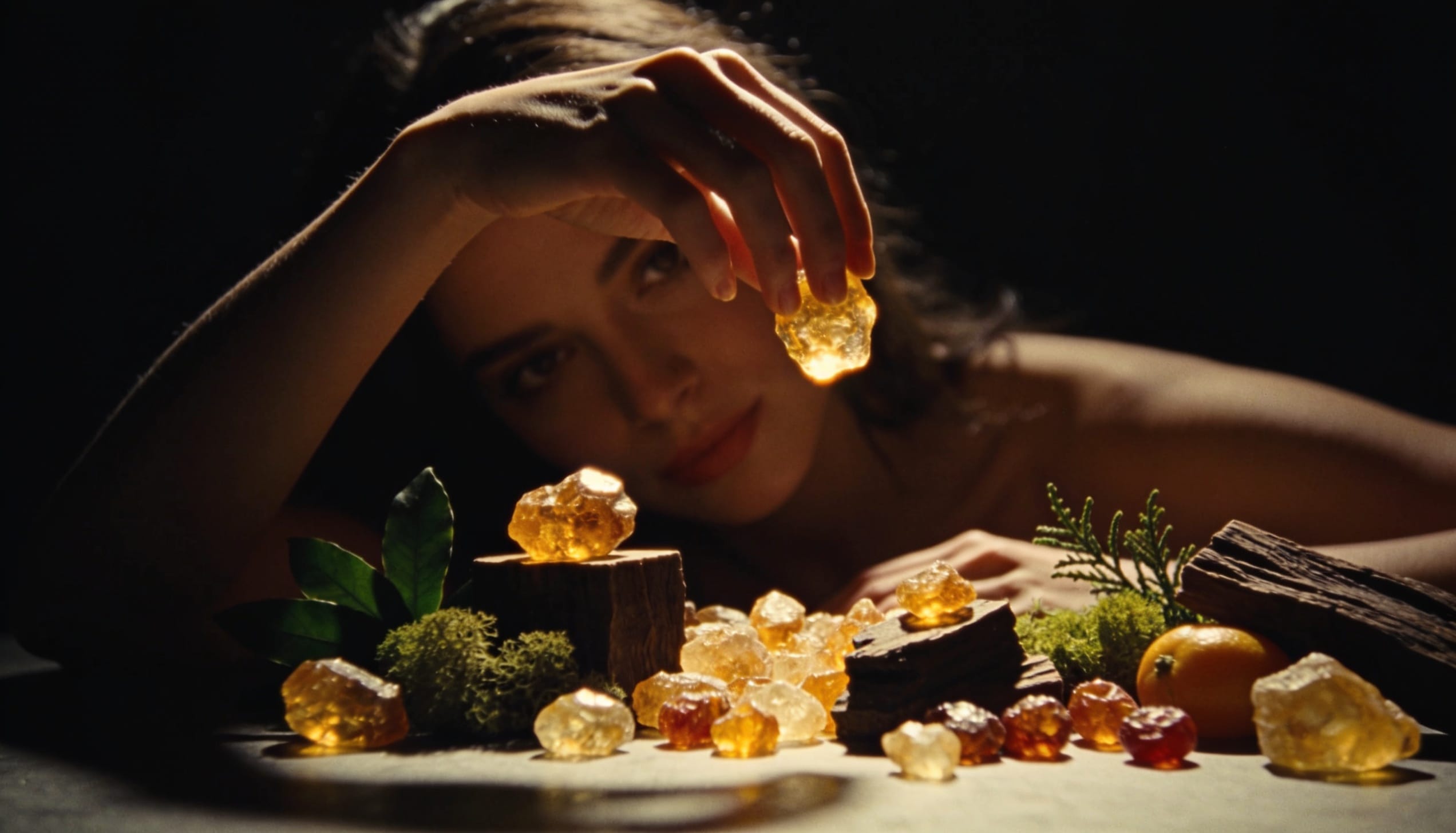
Amber, woody, chypre, gourmand: the four great territories of perfumery, what defines each, and where the modern classics on our shelves actually belong.
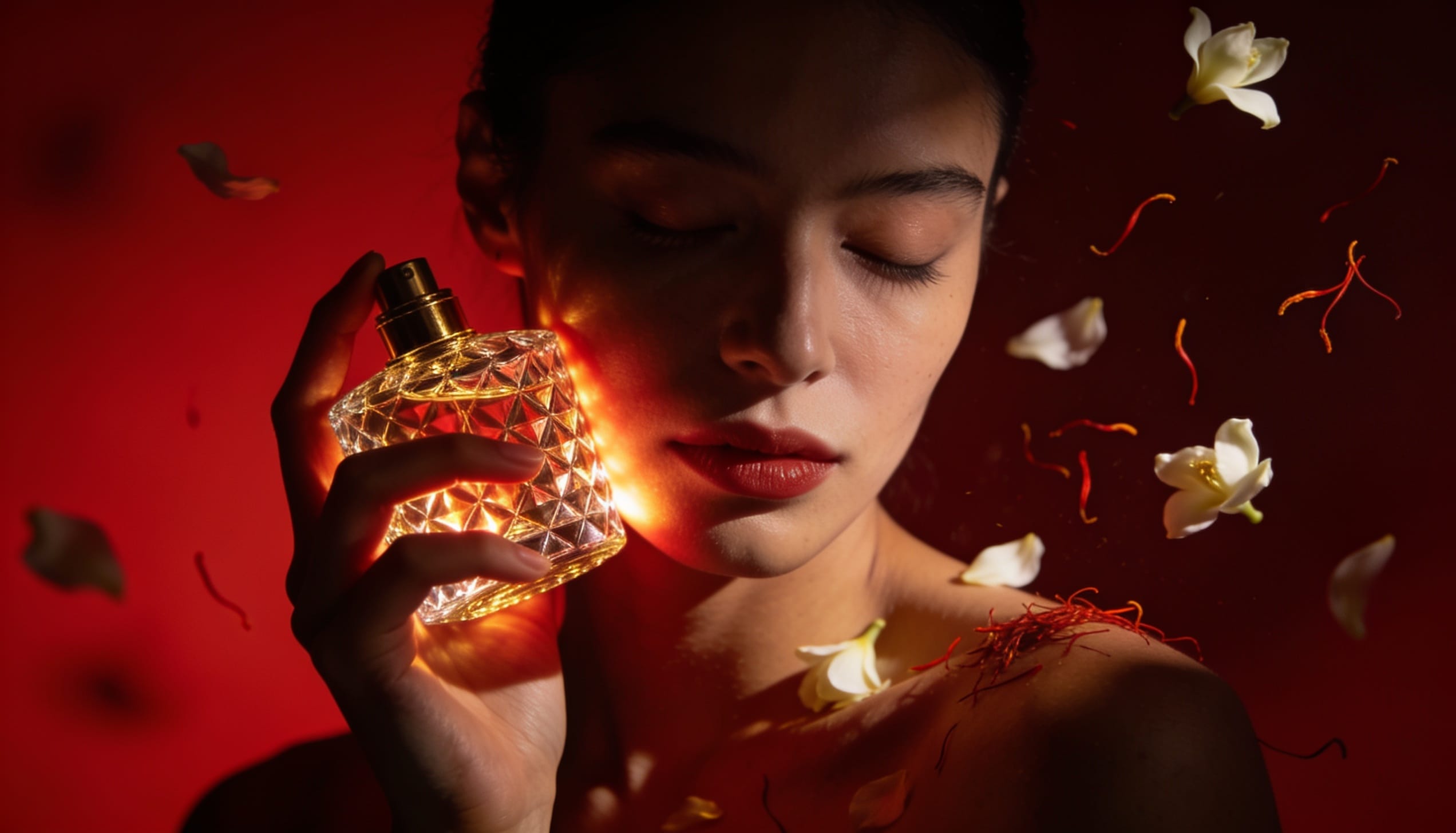
Born as a crystal house’s anniversary gift and built from saffron, jasmine and an Ambroxan overdose, Francis Kurkdjian’s strange minimalist became the scent of a decade.
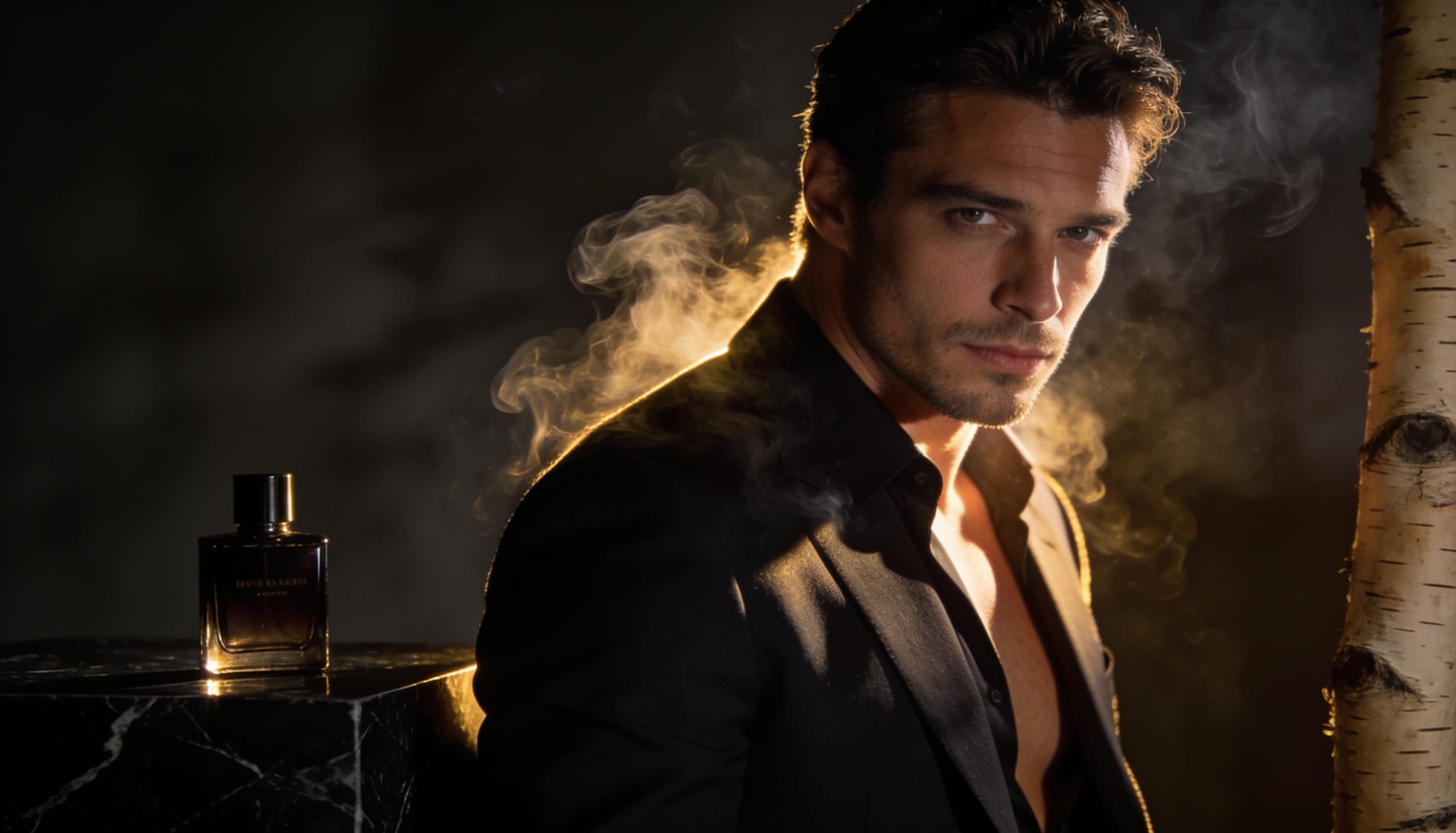
Pineapple, birch smoke and musk: how a 2010 release became the most imitated, most argued-about status fragrance of the century — batch lore included.
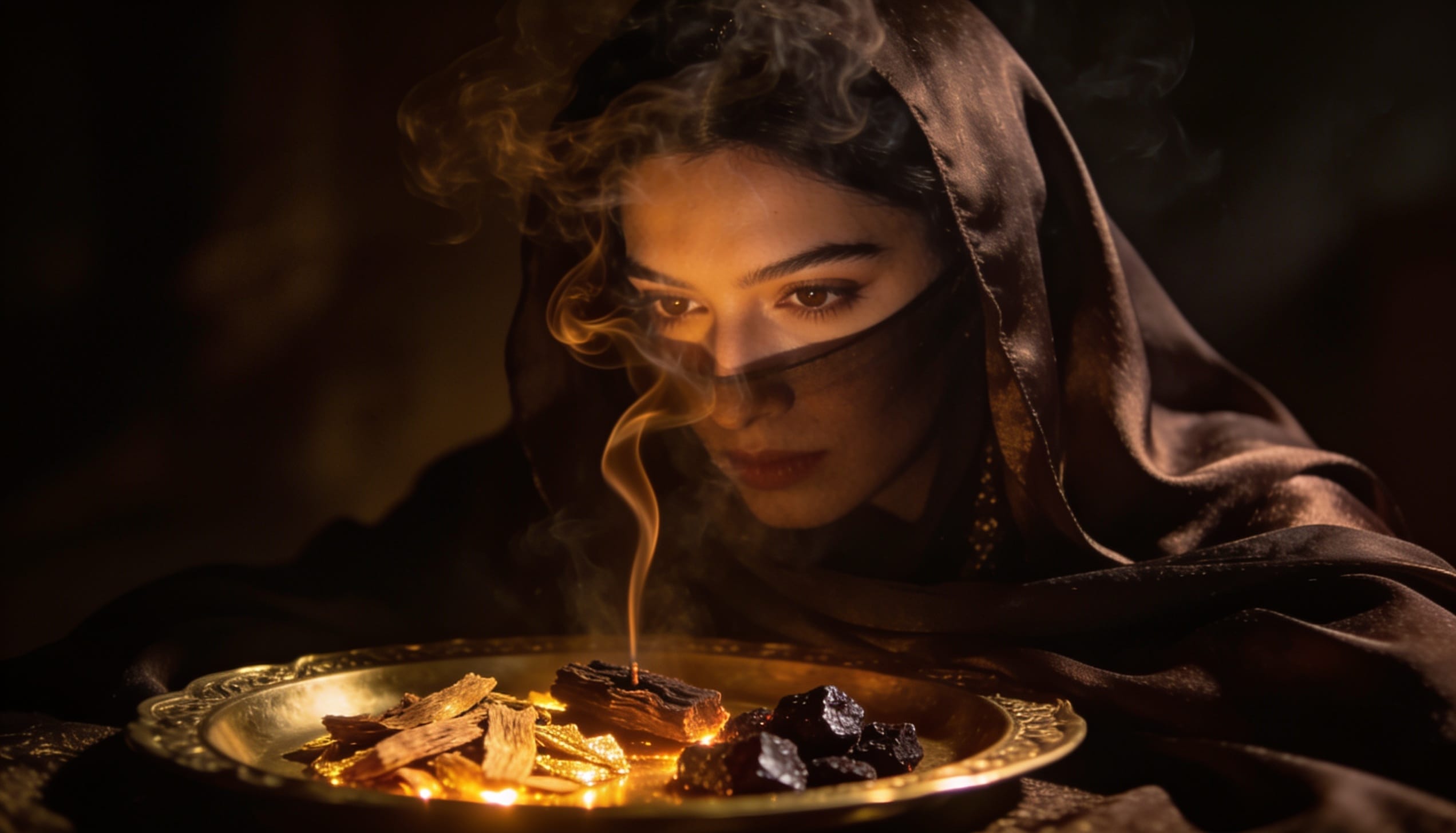
A wounded tree, a fungus, and a resin worth more than gold: how agarwood became the most mythologised material in perfumery — and how Initio, Tom Ford and Dior each read it.
Why a perfume that opens with lemon ends the night as warm musk: the chemistry of evaporation, from Poucher’s 1923 scale to Ambroxan.
Niche is not a price tier — it is a philosophy about why a perfume exists. From Creed’s centuries to Nishane’s single decade, here is what the word actually means.
It carries no name you could pin to a note, yet it is the reason so many of today’s fragrances seem to glow from within the skin rather than rest upon it. Meet ambroxan — niche perfumery’s quiet engine of radiance.
No essays in this topic yet.
The SILLAGE Letter
New deep dives, material studies and quiet recommendations — once a fortnight.