/ 3 min read
Rose de Mai: The Flower That Will Not Wait
There is a flower that refuses to be hurried, and another that refuses to wait. The rose de mai — Rosa centifolia, the hundred-petalled rose — is somehow both. For eleven months of the year it is a thorned, unremarkable shrub on the hills above Grasse. Then, for a few weeks in May, it opens in a blush of pale pink, and an entire perfumed economy bends around its schedule. This spring's harvest has only just ended, and in June the industry paused to honour the people who make it possible.
On 18 June 2026, at the Pavillon Gabriel in Paris, the Fragrance Foundation France closed its annual awards not with a celebrity or a bottle, but with a grower. Antoine Leclef, who cultivates centifolia rose in the Pays de Grasse, spoke on behalf of the Association des Fleurs d'Exception du Pays de Grasse. It was a quiet, telling gesture — an industry built on glamour turning, for once, to face the soil.
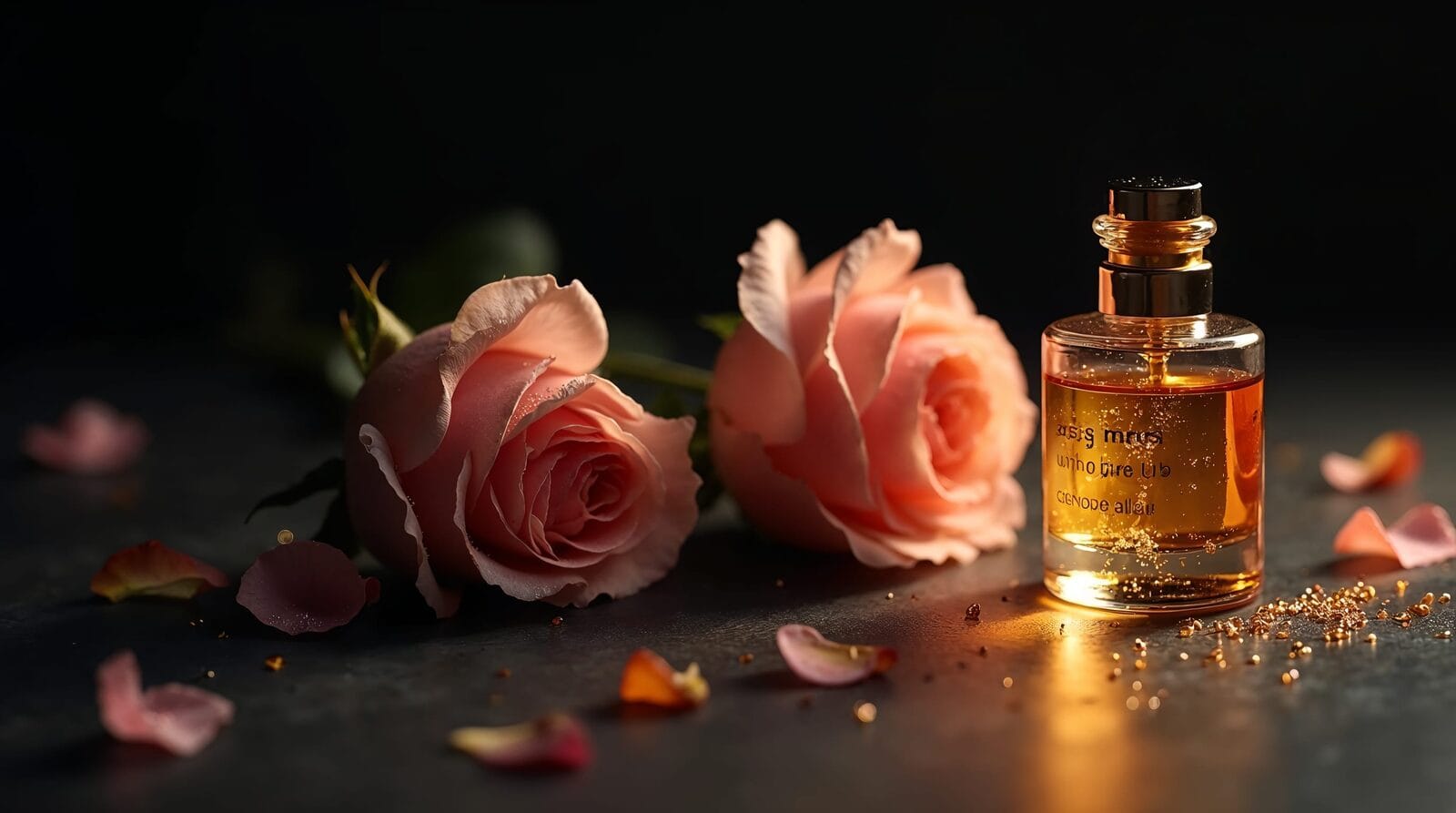
To understand why, you have to stand in a field at first light. The rose de mai is picked at dawn, by hand, when the bud has only just opened and still carries the cool of the night in its petals. It cannot be persuaded. If a flower is not gathered on the very day it opens, its scent collapses and it is lost. So for the whole of May the pickers move down the rows every single morning, racing the sun, because the oil is richest before the heat can draw it out.
The arithmetic is humbling. It takes roughly four hundred kilograms of petals — hundreds of thousands of individual flowers — to yield a single kilogram of concrete, the waxy first extract, worth around three thousand euros. That concrete then surrenders only about half a kilo of absolute, the liquid soul of the rose, worth some five thousand more. Every drop in a finished bottle is, quite literally, a field reduced to its essence.
And what an essence. Where the Damask rose, distilled in Bulgaria and Turkey, gives a bright, spicy, faintly lemony rose otto, the centifolia absolute of Grasse is something else entirely: honeyed and jammy, green at the edges, with a dewy, almost fruity softness that no synthetic has ever fully captured. It is the rose at the heart of Chanel N°5 and of Dior's grandest florals — a note so foundational that the great houses have spent fortunes simply to keep it growing.
That is the real story behind June's tribute. For decades, Grasse's flower fields shrank as the land grew worth more under villas than under roses. The Association des Fleurs d'Exception, founded in 2006, set out to reverse it — pairing young farmers with the great houses in long contracts that guarantee the harvest will be bought before it is even sown. Domaine de Manon's partnership with Dior became the template: a handshake that made it rational, once again, to plant a flower that pays only one month a year.
There is a lesson in the rose de mai for anyone who loves fine fragrance. The luxuries we prize are not really the bottles; they are the conditions that make the bottles possible — the patient grower, the protected field, the dawn that cannot be rushed and the flower that cannot be delayed. A great rose perfume is a negotiation with time, settled every May in the few hours between the opening of a bud and the rising of the sun.
So the next time a rose unfurls on your skin — that warm, honeyed bloom that seems almost to breathe — remember that it began in a French field before breakfast, in hands that knew the flower would not wait. That is not marketing. It is, quietly, the most romantic supply chain in the world.
Before You Commit
Read about it. Then live with it.
Order a 2ml decant of any scent in the house and wear it for a few days before you commit.