/ 3 min read
Ambrette: The Musk That Grows From a Seed
There is a particular kind of warmth that seems to come not from a bottle but from skin itself — a soft, breathing radiance you notice only when someone leans close. For more than a century, perfumers chased that warmth through animal musk: the dark, controversial tincture once harvested from the musk deer. In 2026, as the industry leans decisively toward transparency, molecular softness and the so-called skin scent, that animalic roar has quietly given way to something gentler, cleaner, and far more civilised. Its name is ambrette — and it is a flower.
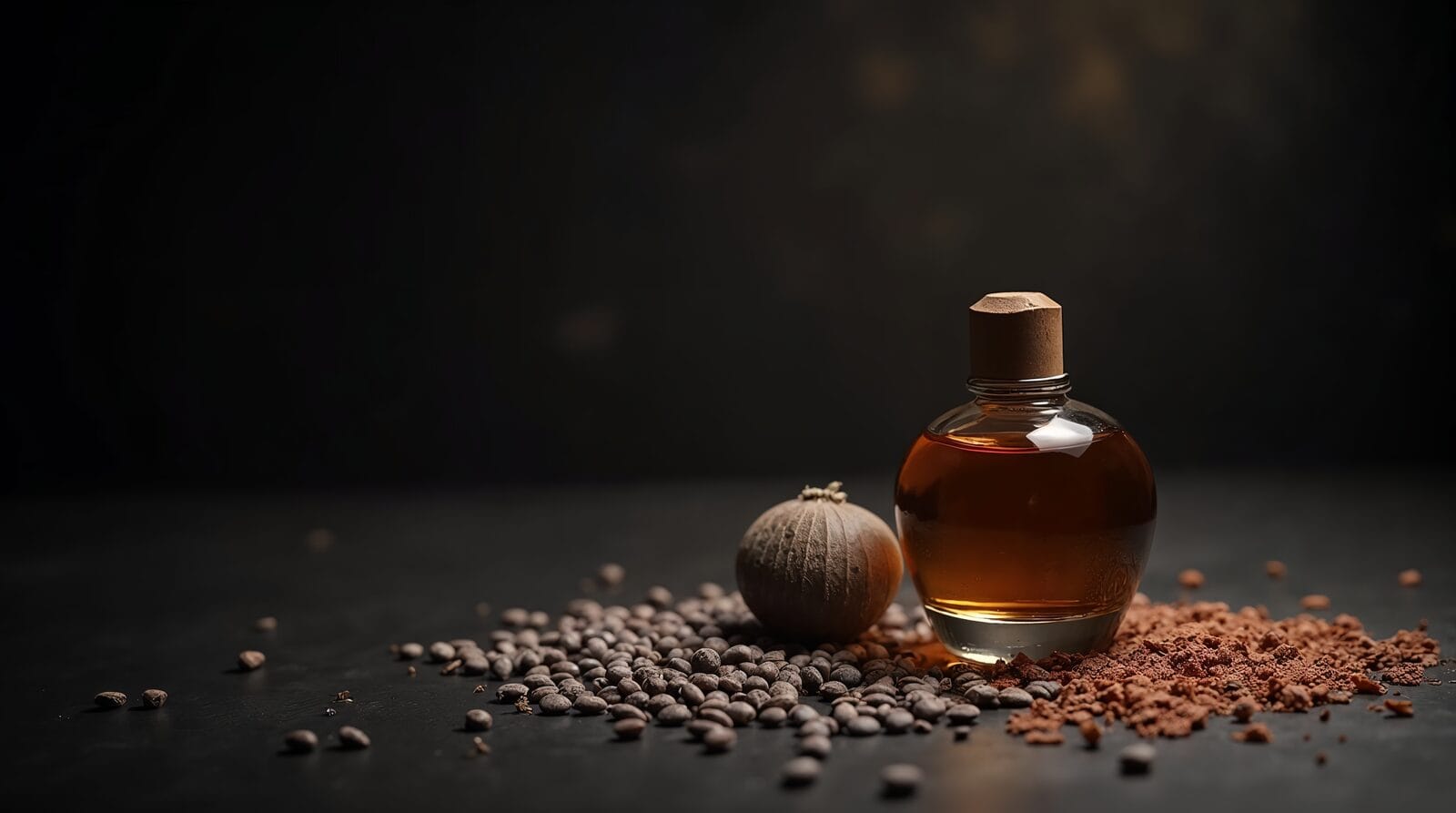
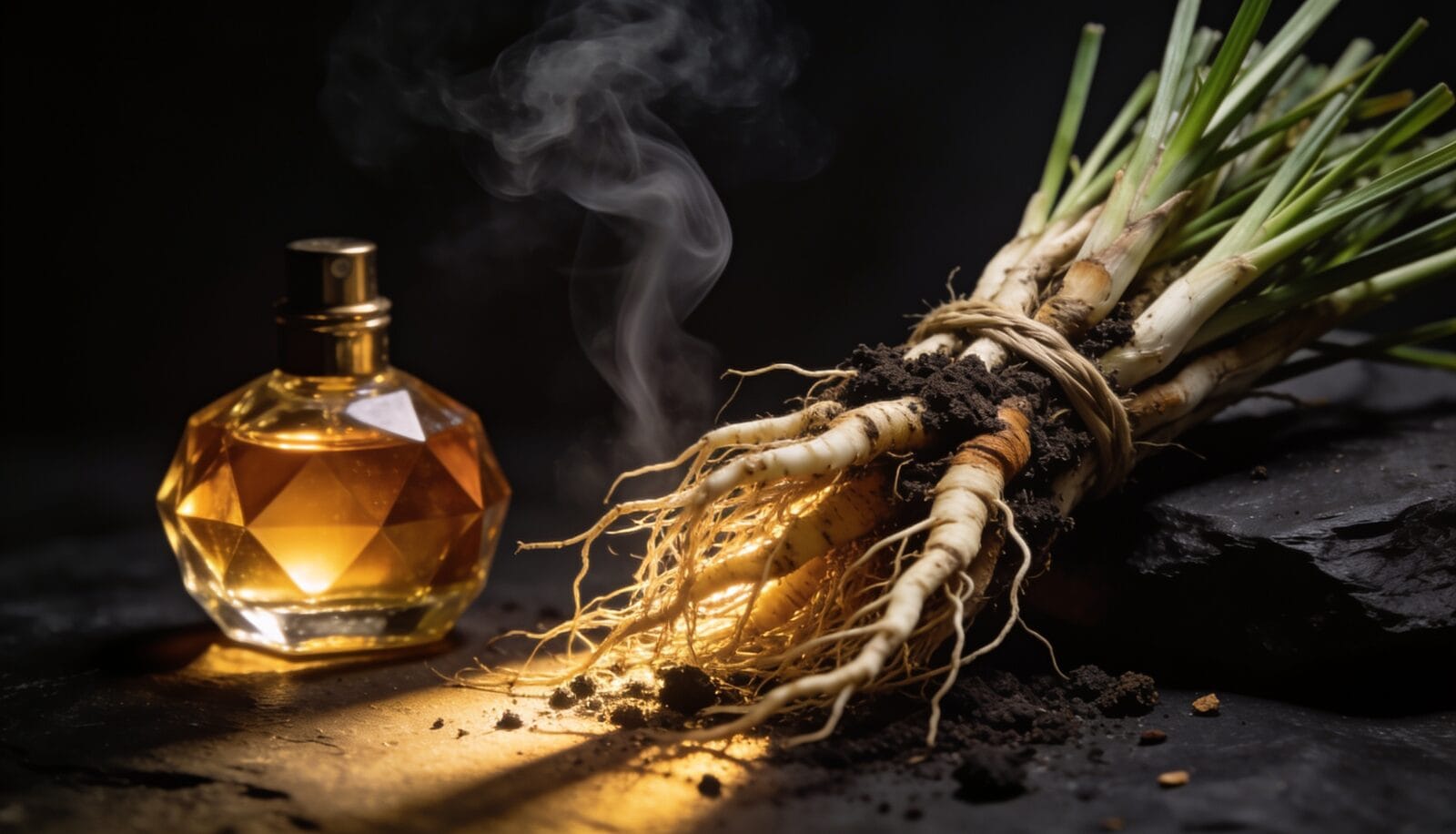
Ambrette is pressed from the seeds of Abelmoschus moschatus, the musk mallow, a hibiscus relative whose small grey seeds carry a scent astonishingly close to the animal musk they once replaced. The seeds are dried, then steam-distilled or coaxed into an absolute and a CO2 extract, releasing a molecule called ambrettolide — musky, powdery, and improbably warm. Smelled alone, ambrette is delicate yet intense: sweet and rich, threaded with pear and wine, a fruity-nutty roundness draped over a soft, almost leathery animalic core. It is musk without the menace; the purr rather than the growl.
That gentleness is exactly why 2026 has fallen for it. The year's defining mood — molecular transparency, emotional precision, the luxury of a scent that lives close to the body rather than announcing itself across a room — is practically a description of ambrette's signature. Where the loud orientals of the last decade arrived before you did, ambrette waits to be discovered. It blurs the seam between perfume and person, lending a composition that elusive quality the French call peau: the smell of warm, beautiful skin.
Perfumers have long known its power, even when they used it sparingly. A whisper of ambrette gives Frédéric Malle's Vetiver Extraordinaire its velvet base, softening the green austerity of vetiver into something you want to live inside. Byredo's Sundazed threads ambrette seed between mandarin and guaiac wood for a hazy, sunlit musk. Even the metallic sweetness that made Maison Francis Kurkdjian's Baccarat Rouge 540 a global obsession owes a debt to the ambrette family of musks. The note rarely takes top billing — its genius is to make everything around it feel more human.
So why isn't ambrette in everything? Because it is gloriously, almost absurdly difficult. The yield is tiny; a vast quantity of seed surrenders only a few precious drops of oil, and the distillation demands patience and skill. For most of the twentieth century, the industry simply walked away, substituting cheap synthetic musks that did the job at a fraction of the cost. Ambrette became a luxury reserved for houses willing to pay — and to wait. Its rarity is not marketing. It is arithmetic.
There is a quiet poetry in this return. The animal musks were taken; ambrette is grown. One belonged to an age that prized dominance and excess, the other to a moment that prizes intimacy and restraint. As natural and skin-forward formulas continue their rise — and as perfumers speak more and more of emotion and transparency rather than projection and sillage — the botanical musk feels less like a substitute and more like the destination all along. The future of musk, it turns out, was never hunted. It was planted.
To wear ambrette is to understand a truth the greatest perfumers have always known: that the most seductive thing a fragrance can do is not to fill the air, but to make you wonder whether the warmth is the perfume, or simply the person wearing it. In a year that has fallen in love with the quiet and the close, no note answers that question more beautifully — or more rarely — than a small grey seed that learned to smell like skin.
Before You Commit
Read about it. Then live with it.
Order a 2ml decant of any scent in the house and wear it for a few days before you commit.