/ 3 min read
The Return of the Attar: Amouage and the Art of the Single Drop
At Esxence 2026, the great Milan congress of artistic perfumery, the loudest statement was made in the quietest possible voice. While the halls hummed with atomisers and high-projection flankers engineered to fill a room, Amouage unveiled two new attars — Suede Ibri and Tonka Misfah — presented in a new flacon and dispensed not as a mist but as a single, deliberate drop. In a season obsessed with reach, the Omani house reached instead for the oldest form perfume has ever taken, and reminded us that intimacy can be the rarest luxury of all.
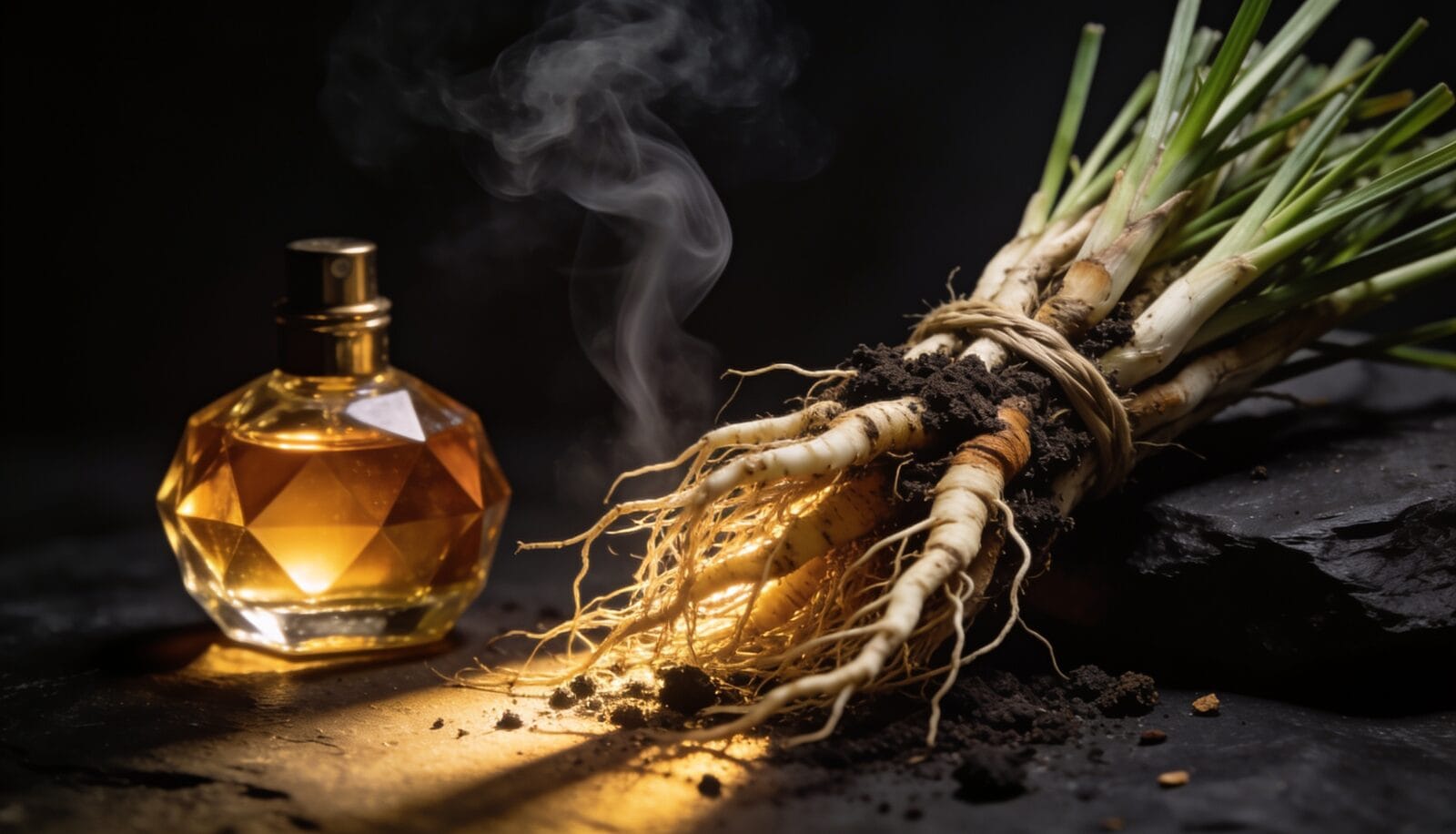
An attar is perfume in its most concentrated, most patient form: fragrant oil, with no alcohol to lift it off the skin and hurry it into the air. You do not spray an attar; you anoint with it, pressing a warm bead to the pulse where it melts and unfurls across hours, sitting closer to the body than any eau de parfum can manage. This is the form perfumery wore for centuries across Arabia, Persia and India, long before the West learned to dilute scent in spirit. To return to it now is to choose depth over distance, and ritual over reflex.
Tonka Misfah is a scent of place. Composed by perfumer Suzy Le Helley, it takes its name from Misfat Al Abriyeen — Misfah — an ancient oasis village terraced into the slopes of Oman's Al Hajar mountains, where a centuries-old falaj still threads cool water through groves of date and pomegranate. The composition reads like the village at dusk: the golden, almost almond-and-vanilla warmth of tonka bean at its heart, lit with saffron and grounded in the dry earth of patchouli. It is woody, balsamic and unhurried — a fragrance that smells of stone walls holding the day's heat long after the sun has gone.
Where Misfah is earth and warmth, Suede Ibri is texture and hush. Around a soft, powdery suede accord the house drapes the cool floralcy of violet, then warms it with saffron and amber until the leather turns almost tender — smooth, refined, with only the faintest curl of smoke beneath. It is among the most elegant leathers Amouage has drawn in years, and, like its sibling, it carries the cadence of Oman's own map in its name. Saffron threads quietly through both, a private signature linking the pair.
What unites them is intention. Both attars ask to be applied slowly, sparingly, with the small ceremony the gesture deserves — and both reward it, blooming larger and more personal the closer they sit to the skin. This is what Amouage means by ritualistic perfumery: scent not as something you put on and forget, but as a daily act of attention, a punctuation mark pressed into the day. The dab is not a lesser version of the spray; it is a different relationship with fragrance altogether, slower and more deliberate, closer to anointing than to dressing.
There is a reason the attar is returning now. As mainstream perfumery grows ever louder — engineered for the elevator, the selfie, the room you have just left — a counter-current of collectors is moving the other way, toward fragrances meant for one person and a single embrace. At around five hundred and forty dollars for twelve millilitres, sold only through the house itself, these are not casual purchases; they are heirlooms in miniature. Their scarcity is part of the point. So, deliberately, is their slowness.
To wear an attar is to step out of perfumery's arms race entirely. It is to trade the cloud for the touch, the announcement for the secret, the room for the wrist. Amouage's two new oils are, in the end, an argument dressed as fragrance — that the most modern thing a scent can do in 2026 is to be ancient, close and quiet. Press a single golden drop to the pulse, let it warm, and you understand it instantly. The future of luxury, it turns out, may smell a great deal like its past.
Before You Commit
Read about it. Then live with it.
Order a 2ml decant of any scent in the house and wear it for a few days before you commit.